
Why Should India Reread Curzon?
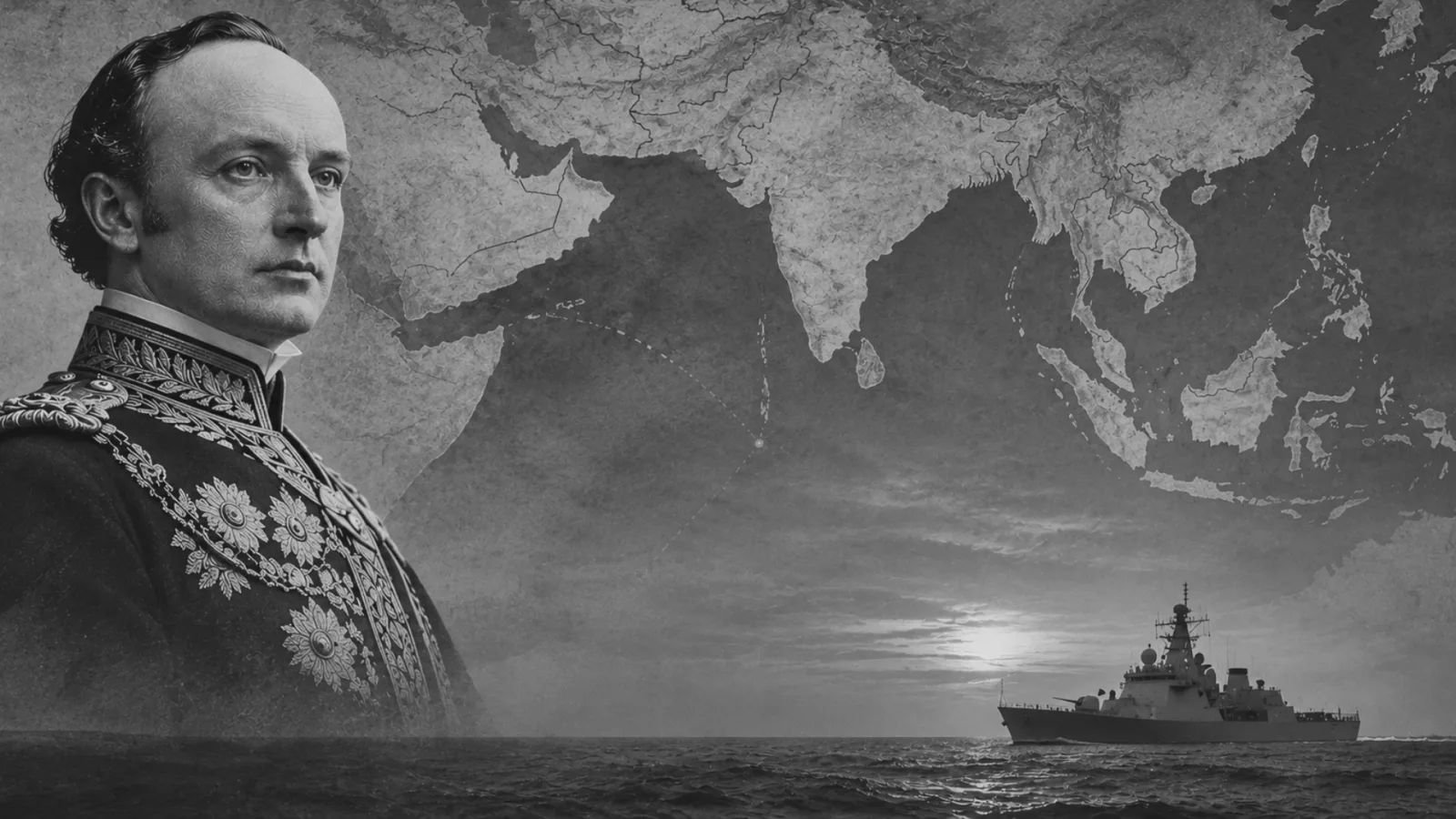
Lord Curzon's geopolitical vision placed India at the centre of British imperial strategy in Asia, emphasising the importance of secure frontiers, buffer states and maritime routes extending across the Indian Ocean and the wider East of Suez region. This commentary revisits Curzon's strategic thinking to examine its relevance for contemporary India amid China's expanding influence across the Indian Ocean Region. It explores the historical foundations of Curzon's Greater India vision, including his emphasis on maritime security, regional influence and the strategic protection of India's approaches. Drawing parallels with China's growing presence in neighbouring countries through infrastructure investments, economic partnerships and maritime cooperation, the article examines the challenges these developments pose to India's regional position. It also considers India's strategic engagement with the Gulf and Red Sea, highlighting the importance of sustained maritime presence and regional influence. Ultimately, the commentary argues that while India's contemporary geopolitical circumstances differ fundamentally from those of the British imperial era, revisiting Curzon's strategic outlook can offer useful historical perspectives on India's evolving regional priorities and its response to China's growing strategic footprint.
American geopolitical commentator, Robert Kaplan, in his seminal work “The Monsoon: Indian Ocean and the Future of American Power,” commends Curzon for the strategic wisdom that facilitated British consolidation of power in the East. The romanticized nostalgia referenced in Kipling’s short poem “Mandaly” serves as an allegory illustrating the significance of the East to the British during the late nineteenth century.
“Ship me somewhere east of Suez, where the best is like the worst
Where there aren’t no Ten Commandments an’ a man can raise a thirst”
The enduring wisdom of “East of Suez” is most notably ascribed to Lord Curzon, who served as British Viceroy of India from 1899 to 1905.
Lord Curzon may well be regarded as the very personification of British imperialism, his worldview often marked by an unmistakable condescension toward the native populations. Nevertheless, his grand design for the East, with India at its heart, retains a timeless relevance. To understand why contemporary policymakers, strategists, and statesmen in India ought to revisit Curzon, one must examine the nuanced approach he crafted as a singularly astute colonial administrator.
Lord Curzon’s strategy for India and the “East of Suez” region was founded on a fundamental premise: India was the geopolitical linchpin of the British Empire, and all British foreign and military policies in Asia should serve the primary objective of protecting it. As Viceroy of India (1899–1905) and later as Foreign Secretary (1919–1924), Curzon viewed the defence of India as extending far beyond its territorial borders, encompassing an extensive network of maritime routes, buffer states, and spheres of influence across Asia.
Curzon’s Greater India project was built around three principal strategic pillars. First, it emphasised that the defence of the Indian subcontinent required a proactive and assertive foreign policy aimed at securing its frontiers. Curzon sought to establish and maintain a protective network of buffer zones to prevent rival European powers, particularly Tsarist Russia, from expanding their influence towards India within the context of the Great Game. Second, Curzon placed considerable emphasis on maritime security. He famously argued that major British imperial acquisitions, including Aden, Singapore, and Egypt, were primarily intended to secure the strategic sea lanes connecting these territories to India.
Finally, Curzon recognised that Britain could not afford to administer and defend its extensive Asian empire solely through domestic resources. His strategy therefore relied on utilising India as a self-financing military and administrative base to sustain British imperial power across Asia.
Curzon did not live to witness the dismantling of the British Empire or the eventual decline of British global power, particularly following the 1956 Suez Crisis. Nor did he witness India's subsequent emergence as a major global power. To understand why modern India should revisit Curzon's strategic legacy, it is essential to recognise that India's geopolitical centrality has remained a relatively enduring reality, despite changing regional and international dynamics.
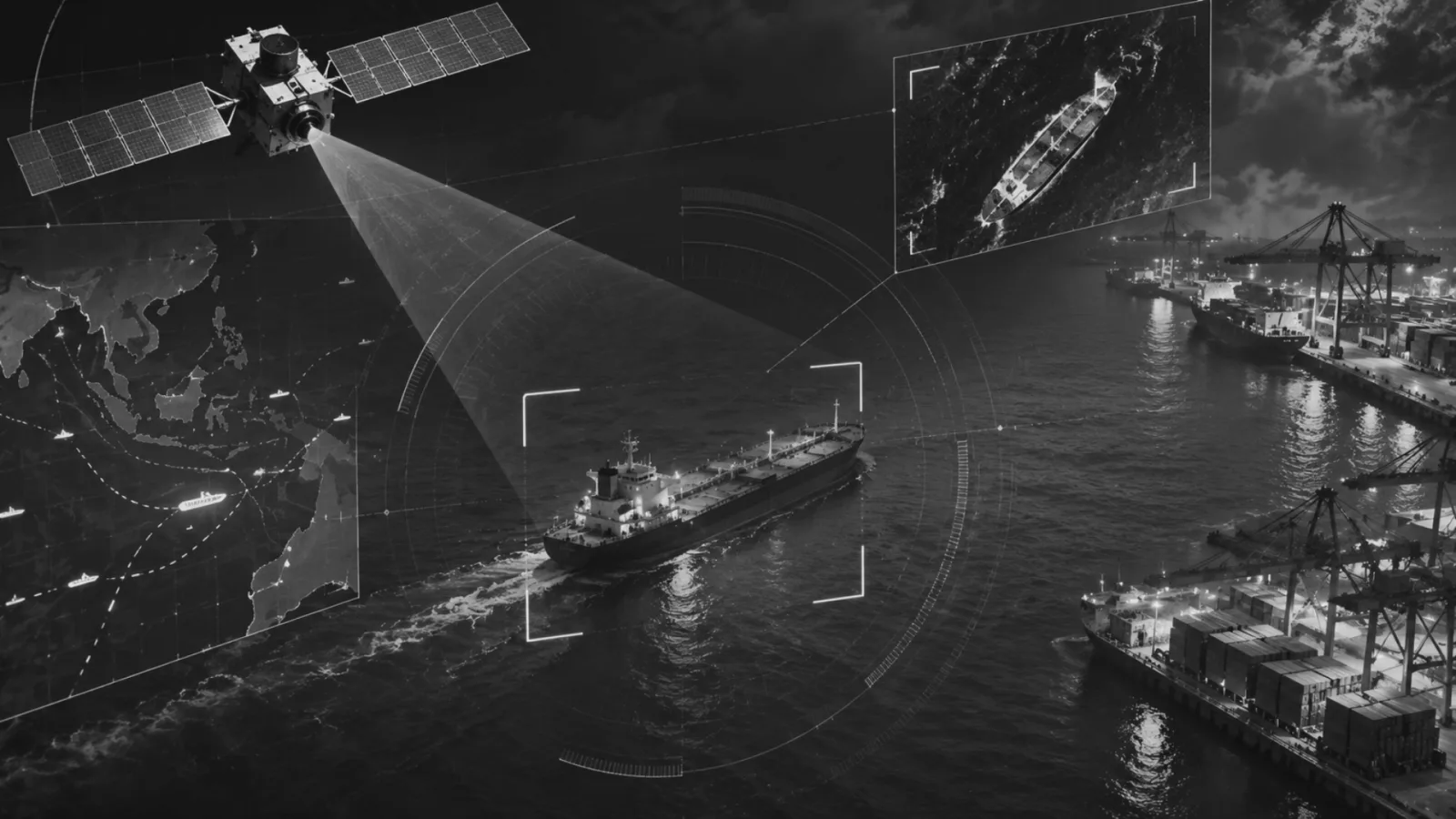
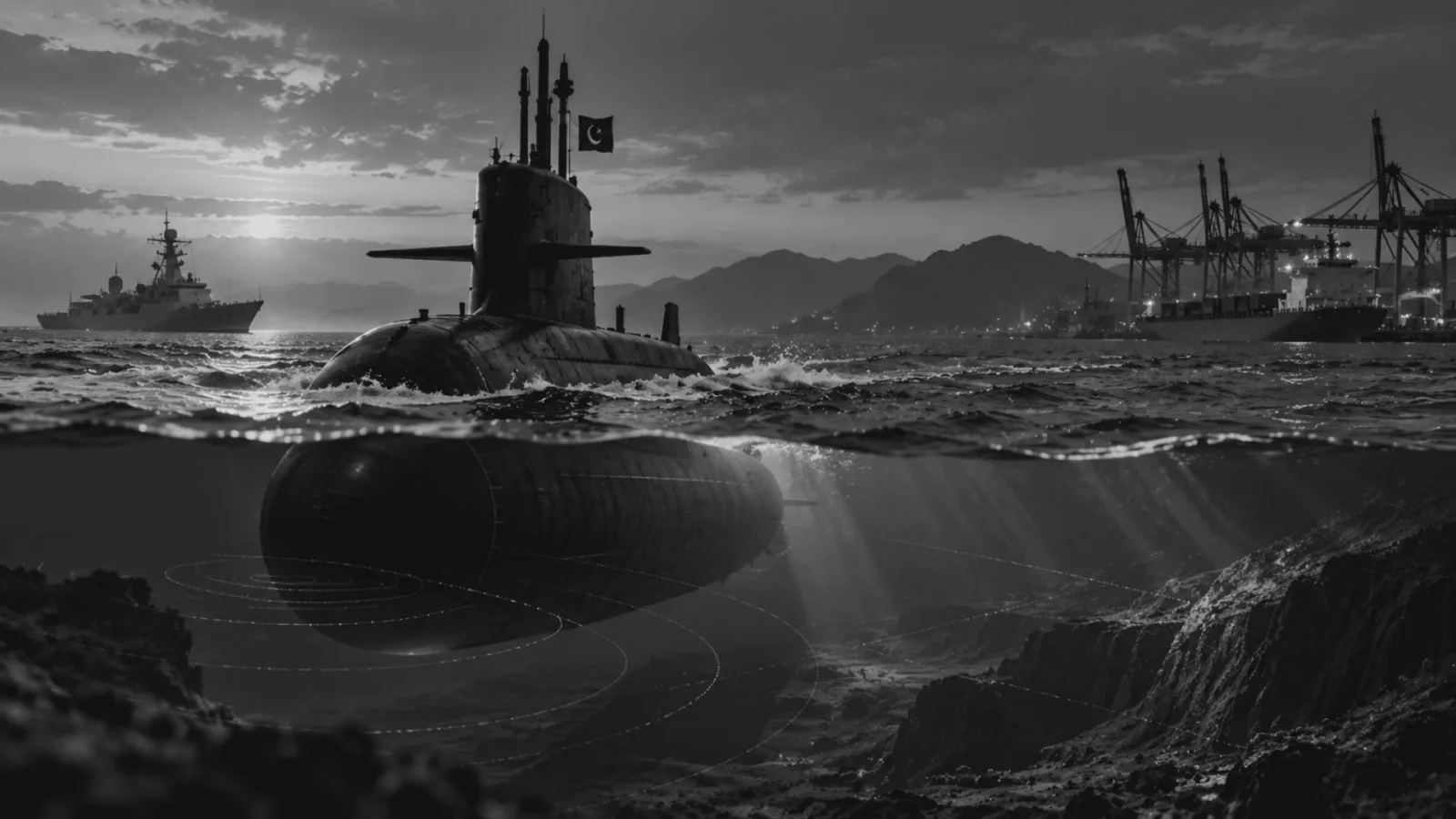
Curzon's famous observation regarding India's position as the true fulcrum of Asiatic power continues to resonate in contemporary geopolitical discourse. In particular, his emphasis on securing maritime lines of communication has acquired renewed significance in the context of China's expanding strategic presence in the Indian Ocean Region (IOR). This development is closely associated with Beijing's so-called “String of Pearls” strategy, through which China has sought to develop or secure access to strategically located commercial ports and dual-use maritime facilities with potential military applications across the Indian Ocean region. These developments raise important strategic concerns regarding India's maritime security and its traditional position as the central geopolitical power in the region.
China’s naval activities in the Indo-Pacific region suggest that Beijing is not exclusively pursuing absolute maritime dominance in accordance with the traditional Mahanian doctrine. Recognising the limitations of seeking complete naval control in an oceanic region where several competing powers maintain an active presence, China has increasingly focused on sustaining a persistent and strategically significant naval presence. Its substantial investment in aircraft carrier capabilities, exemplified by the commissioning of its third aircraft carrier, Fujian, in November 2025, represents a continuation of Beijing’s pursuit of sustained naval engagement and an expanded operational presence across strategically important maritime regions.
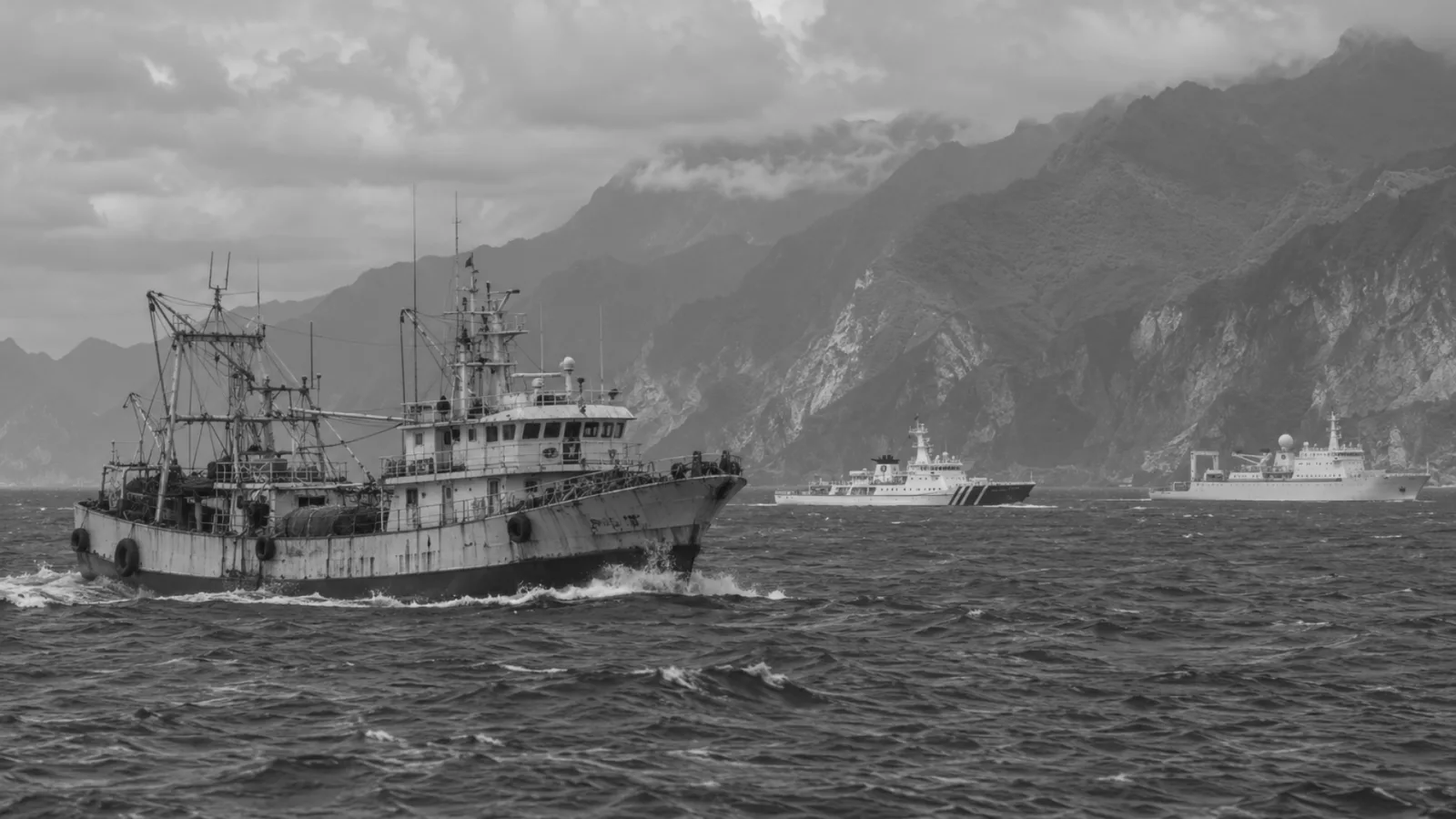
Second, Beijing has adopted a systematic approach to expanding its influence over India's neighbouring countries through strategic economic dependence and infrastructure partnerships, potentially creating conditions in which recipient states become increasingly constrained by Chinese economic and political interests. This approach brings to mind Don Corleone’s famous line from The Godfather: “I'm gonna make him an offer he can't refuse.” By employing similar forms of strategic leverage, Beijing has capitalised on the economic and political vulnerabilities of several of India's neighbours, including Pakistan, Sri Lanka, and the Maldives. From Gwadar in Pakistan to Hambantota in Sri Lanka, China has leveraged infrastructure investments, financial arrangements, and maritime cooperation to expand its strategic footprint in India's immediate neighbourhood. These developments highlight the growing complexity of the maritime security challenges confronting India.
The latest development adding to this strategic dilemma involves Bangladesh. During a meeting between Bangladesh's Prime Minister Tarique Rahman and Chinese President Xi Jinping, an agreement was signed to develop an economic zone near Bangladesh's Mongla Port. This project could further strengthen China's economic and strategic presence in the Bay of Bengal and the wider Indian Ocean region, potentially adding another dimension to India's evolving maritime security concerns.
It is against this backdrop that Indian strategic policymakers should reassess the strategic imperatives articulated by Curzon, whose observations during the colonial era remain relevant to understanding contemporary geopolitical developments. One of the major shortcomings that India needs to address is the recalibration of its strategy towards the Gulf region, which Curzon regarded as a cornerstone of his Greater India vision. In the postcolonial context, India's approach to the Gulf under Jawaharlal Nehru differed fundamentally from the strategic outlook inherited from the British Raj. Post-independence India placed greater emphasis on consolidating its civilisational identity and pursuing a non-aligned foreign policy than on expanding its strategic reach and military deterrence.
However, the geopolitical transformations following the end of the Cold War significantly altered India's traditional approach to the Gulf, compelling New Delhi to adopt a more active and strategically engaged regional posture.
Although India regularly participates in maritime surveillance operations and maintains a presence along strategically important maritime chokepoint, its lack of a permanent military base in the Red Sea, particularly in comparison with China's overseas military presence in Djibouti, potentially constrains its ability to project sustained power in the region. Invoking Curzon's strategic vision does not imply that India should seek to reproduce the imperial ambitions he pursued in the early twentieth century, when the Indian subcontinent constituted the central pillar of British strategy east of Suez. Curzon formulated his imperial strategy primarily in response to the perceived threat posed by the Russian Empire to British interests in Asia. More than a century later, any contemporary reassessment of Curzon's strategic thinking should place China at the centre of India's geopolitical calculations. This comparison illustrates how historical strategic challenges can re-emerge in different forms under changing international circumstances. To put it bluntly, what Russia was to Curzon, China is to Jaishankar today.
The views expressed are those of the authors and do not represent the views of CNAWS.
ImageSource: ChatGPT
Tags

Author
Dr. Punsara Amarsinghe
Dr. Punsara Amarasinghe is a Lecturer in International Law at General Sir John Kotelawala Defence University, Sri Lanka. He holds a PhD in Public International Law from the Scuola Superiore Sant’Anna, Italy, and postgraduate degrees in Law and International Relations from South Asian University, New Delhi, and HSE University, Moscow. His research interests include military strategy, asymmetric warfare, and Indian Ocean studies. He is a regular contributor to international defence and strategic affairs platforms.