
China Expands Intelligence Cooperation with Tajikistan Amid Afghanistan Security Threats

China's latest push for closer intelligence cooperation with Tajikistan reflects a broader effort to consolidate its security presence along Afghanistan's northern frontier. While Beijing has maintained counterterrorism and border-security arrangements with Dushanbe for years, the renewed emphasis on intelligence sharing comes amid growing threats to Chinese nationals and investments operating near Afghanistan. The development suggests that China is seeking greater independent visibility into the regional militant environment while strengthening its western security perimeter. However, Beijing's expanding security role does not necessarily indicate an intention to replace Russia as Tajikistan's principal military partner.
Development
On 19 October 2026, Chinese Premier Li Qiang called for deeper intelligence sharing, information exchange and law enforcement cooperation with Tajikistan during talks with President Emomali Rahmon in Dushanbe. Li emphasised the need to jointly combat terrorism, separatism and extremism, collectively described by Beijing as the three evil forces, while urging Tajik authorities to strengthen the protection of Chinese nationals and enterprises operating in the country.¹
The announcement came during Li's official visit to Tajikistan for the 25th meeting of the Shanghai Cooperation Organisation (SCO) Council of Heads of Government. The visit also involved discussions on infrastructure, mineral resources, connectivity and emerging technologies, indicating that security cooperation remains closely associated with China's expanding economic interests in the country.²
Strategic Context
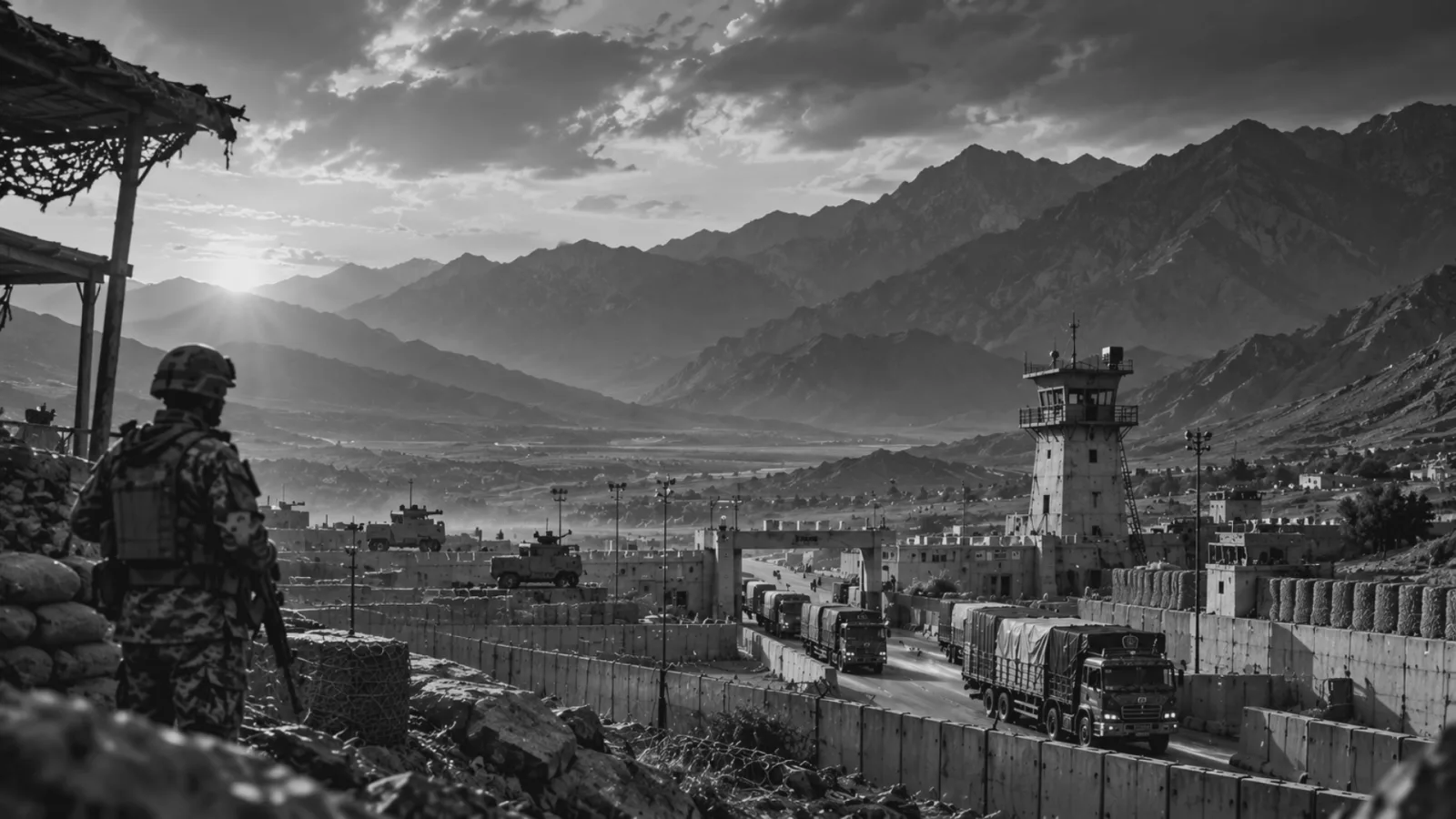
Tajikistan occupies a strategically important position in China's regional security calculations. It shares a mountainous border with China's Xinjiang region and a considerably longer frontier with Afghanistan. The proximity of these borders creates a potential route for militant movements across Central Asia, although the actual extent of such infiltration remains difficult to establish independently.
Beijing's immediate concerns have intensified following attacks against Chinese personnel near the Tajik-Afghan frontier. In November 2025, five Chinese nationals were killed in two attacks that Tajik authorities said originated from Afghanistan. The first, on 26 November, involved a drone and firearms attack against a mining workers' camp in Khatlon province, killing three Chinese citizens.³ These incidents exposed the vulnerability of Chinese commercial activities in areas where Tajik security capabilities remain constrained.
However, China's security engagement with Tajikistan predates these attacks. Chinese security personnel have maintained a presence in the Pamir region since 2016, while Beijing has supported border infrastructure, security training and joint counterterrorism exercises. In October 2021, Tajikistan approved the construction of another Chinese-funded security facility near Afghanistan.⁴
Research by the Carnegie Endowment for International Peace indicates that Chinese assistance has also extended into surveillance infrastructure and internal security capabilities. Importantly, much of this cooperation has been actively sought by the Tajik government, which views Chinese assistance as a means of strengthening its own security apparatus.⁵
Analytical Assessment
The significance of Li Qiang's announcement lies less in the establishment of new security cooperation than in the potential deepening of an existing intelligence relationship.
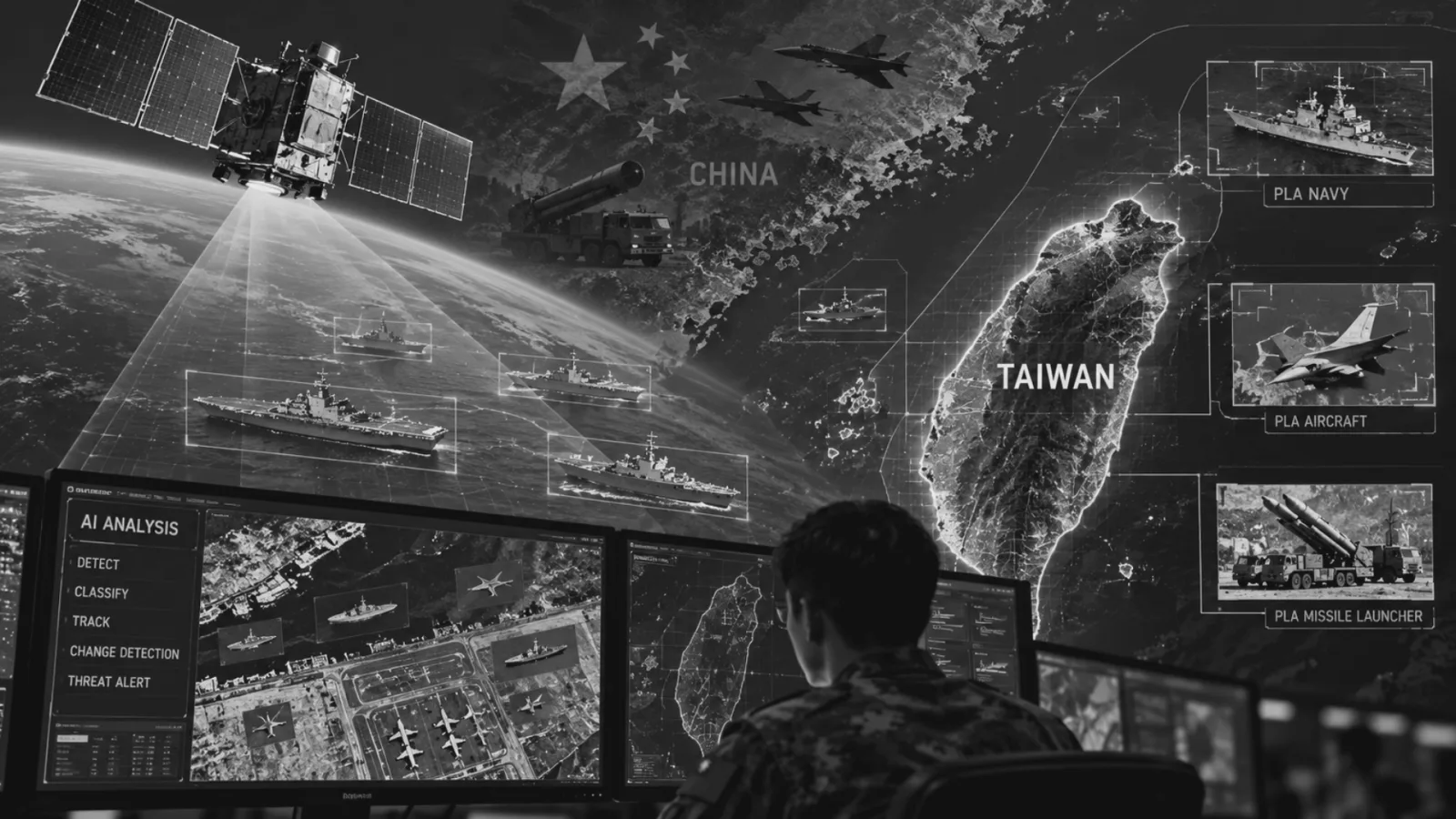
First, China is attempting to strengthen its intelligence visibility beyond Xinjiang. Afghanistan remains a central concern because of the presence of transnational militant organisations and Beijing's longstanding apprehensions regarding Uyghur militant networks. Intelligence cooperation with Tajikistan could improve China's access to information concerning militant movements, border crossings and activities in northern Afghanistan.
Such cooperation would provide Beijing with an additional source of regional intelligence rather than requiring it to depend exclusively on information supplied by Kabul or Islamabad. However, Tajikistan's geographical position offers considerably greater visibility into northern Afghanistan than into militant networks operating across Pakistan.
Second, Beijing is connecting economic expansion with security commitments. Chinese investments in Tajikistan's mining, infrastructure and connectivity sectors expose personnel and assets to security threats that cannot be addressed through diplomatic assurances alone. More systematic intelligence exchanges could facilitate earlier threat identification and improve coordination between Chinese enterprises and Tajik security agencies.
Third, China's security architecture is becoming increasingly institutionalised. Bilateral arrangements, security facilities, joint patrols and the SCO collectively provide Beijing with different mechanisms for pursuing its regional objectives. During the first China-Tajikistan Foreign Ministers' Strategic Dialogue in November 2025, Beijing had already called for stronger joint patrols and closer coordination on Afghanistan.⁶ The October 2026 announcement therefore represents continuity with an established policy direction rather than an abrupt strategic shift.
Nevertheless, the relationship has important limitations. Russia remains Tajikistan's principal conventional security partner and maintains a military presence in the country. China has so far concentrated heavily on border security, law enforcement, surveillance technology and counterterrorism assistance. These activities allow Beijing to develop operational influence without necessarily assuming responsibility for Tajikistan's wider territorial defence.
Another concern involves the possible use of counterterrorism cooperation for domestic surveillance. Chinese-supported security technologies have strengthened Tajik authorities' monitoring capabilities, creating a potential overlap between legitimate counterterrorism activities and political control.
Implications for India
China's growing intelligence cooperation with Tajikistan carries implications for India's assessment of the Afghanistan-Pakistan security environment.
India has an interest in preventing Afghanistan from becoming a permissive environment for transnational terrorist organisations. Improved Chinese visibility into northern Afghanistan could influence Beijing's understanding of regional militant movements and shape its counterterrorism engagement with Kabul and Islamabad.
More importantly, an expanding Chinese intelligence presence in Central Asia could gradually strengthen Beijing's situational awareness across a region where India maintains diplomatic and security interests. However, the present announcement provides no evidence that China has acquired new intelligence access inside Pakistan or Afghanistan.
For New Delhi, the development reinforces the importance of maintaining independent engagement with Central Asian states rather than assessing regional security exclusively through Pakistan or Afghanistan. India's participation in the SCO offers one channel for such engagement, although bilateral relationships remain equally important.
Strategic Assessment
China's approach towards Tajikistan appears to be evolving from primarily assisting a neighbouring state's border security towards building a more integrated intelligence and security partnership.
The principal objective is likely defensive. Beijing seeks to limit the possibility of militant threats reaching Xinjiang while protecting Chinese personnel and investments from instability originating in Afghanistan. However, the cumulative effect of security facilities, intelligence exchanges, surveillance infrastructure and institutional cooperation could extend Chinese influence well beyond immediate border protection.
The emerging arrangement also reflects a convergence of interests. China requires reliable regional partners to secure its western periphery, while Tajikistan requires external assistance to compensate for limitations in its domestic security capabilities.
The key question is whether closer intelligence cooperation will eventually translate into an expanded Chinese operational presence. Future indicators would include new intelligence-sharing agreements, additional border surveillance facilities, increased Chinese security personnel deployments and more frequent joint patrols near Afghanistan.
CNAWS assesses with moderate confidence that the October announcement signals a further consolidation of China's existing security architecture in Central Asia, rather than an immediate move towards direct military intervention in Afghanistan. The more consequential development may be Beijing's gradual acquisition of an increasingly independent intelligence picture of Afghanistan's northern security environment, giving it additional leverage over regional security decisions without assuming the political and military costs of a large-scale deployment.
Endnotes
Reuters, “Wary of Instability, China Calls for Deeper Security Cooperation with Tajikistan,” October 19, 2026.
Xinhua, “Chinese Premier Says China Willing to Expand Cooperation with Tajikistan in Emerging Industries,” October 19, 2026.
Ministry of Foreign Affairs of the Republic of Tajikistan, “On the Armed Attack on the Tajikistan Border,” November 27, 2025; Reuters, “Wary of Instability, China Calls for Deeper Security Cooperation with Tajikistan,” October 19, 2026.
RFE/RL's Tajik Service, “Tajikistan Approves Construction of New Chinese-Funded Base as Beijing's Security Presence in Central Asia Grows,” Radio Free Europe/Radio Liberty, October 27, 2021.
Edward Lemon and Ruslan Norov, “How China Is Adapting to Tajikistan's Demand for Security Cooperation,” Carnegie Endowment for International Peace, March 20, 2025.
Ministry of Foreign Affairs of the People's Republic of China, “The First China-Tajikistan Foreign Ministers' Strategic Dialogue Held Successfully in Dushanbe,” November 22, 2025.
Tags

Author