
BrahMos and the Changing Balance of Power in the South China Sea
India's emerging BrahMos partnerships with the Philippines, Vietnam and Indonesia could complicate China's maritime strategy, strengthen Southeast Asian deterrence and expand New Delhi's strategic influence without requiring a permanent military presence in the region.
A Missile Deal with Implications Far Beyond the Philippines
India's reported negotiations to supply an additional five BrahMos missile systems and nearly 60 missiles to the Philippines, in a potential agreement worth between $700 million and $800 million, represent considerably more than the expansion of a successful defence export contract. The proposed acquisition follows the original $375 million agreement signed in January 2022 for three shore-based anti-ship missile batteries. On 5 November 2026, Philippine Defence Secretary Gilberto Teodoro reiterated Manila's interest in acquiring additional systems and indicated that the country had communicated requirements for adapting BrahMos to its operational environment. Although the latest transaction has not yet been formally concluded, the renewed demand demonstrates that Manila increasingly regards India as a credible source of advanced military capabilities.¹
The strategic significance becomes clearer when the Philippine acquisition is examined alongside India's other defence agreements in Southeast Asia. In May 2026, Indian Defence Secretary Rajesh Kumar Singh confirmed that an agreement to supply BrahMos missiles to Vietnam had been signed, although its complete contractual details were not publicly disclosed. Subsequently, during Prime Minister Narendra Modi's visit to Jakarta on 7 July, BrahMos Aerospace and Indonesia's Ministry of Defence formally signed a procurement contract. Indonesia's presidential secretariat confirmed the agreement as part of a broader package of bilateral cooperation. India therefore has three Southeast Asian BrahMos customers, each possessing a distinct geographical relationship with the South China Sea and a different political approach towards China.²
This development deserves attention because the regional military balance is not determined exclusively by the number of warships, combat aircraft or military installations possessed by China. It also depends on the freedom with which Chinese forces can operate in contested waters, the risks they must accept when approaching neighbouring coastlines and the political willingness of smaller states to resist coercion. India's missile exports potentially affect all three calculations. New Delhi is not attempting to match China's military power in the South China Sea. Instead, it is helping regional states acquire capabilities that could make certain forms of Chinese military intervention more costly and less predictable.
How BrahMos Changes the Military Equation
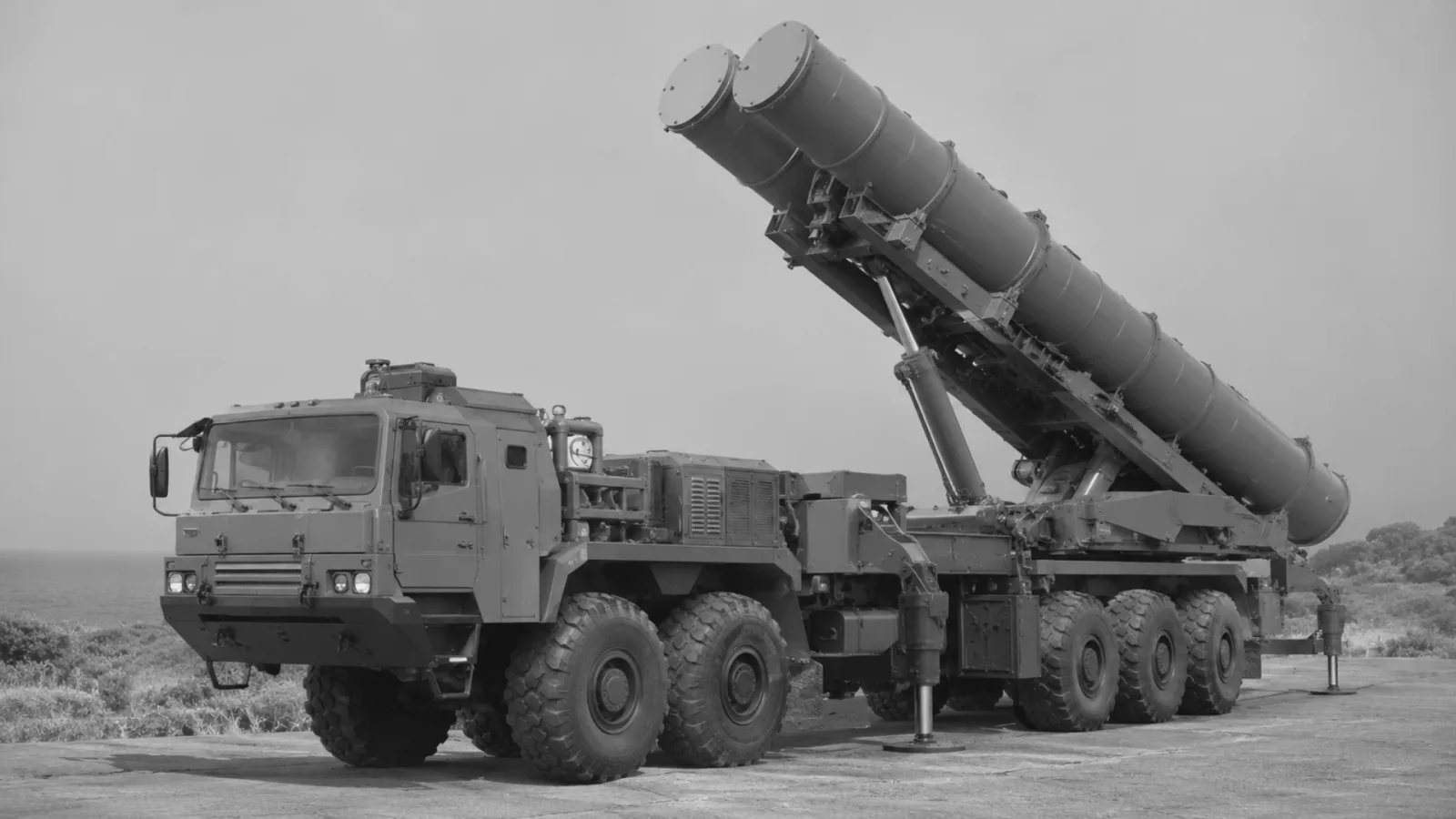
The BrahMos is a supersonic cruise missile capable of engaging surface targets at approximately Mach 2.8 to Mach 3. The export configuration already deployed by the Philippines has a publicly reported range of around 290 kilometres and is operated from mobile coastal launchers. Its principal military advantage lies in combining considerable destructive power with high speed, reducing the time available to a targeted warship to detect, classify and engage the incoming missile. A successful strike could seriously damage or disable a major surface combatant. However, this does not make the missile impossible to intercept, nor does it independently provide maritime surveillance or target identification.³
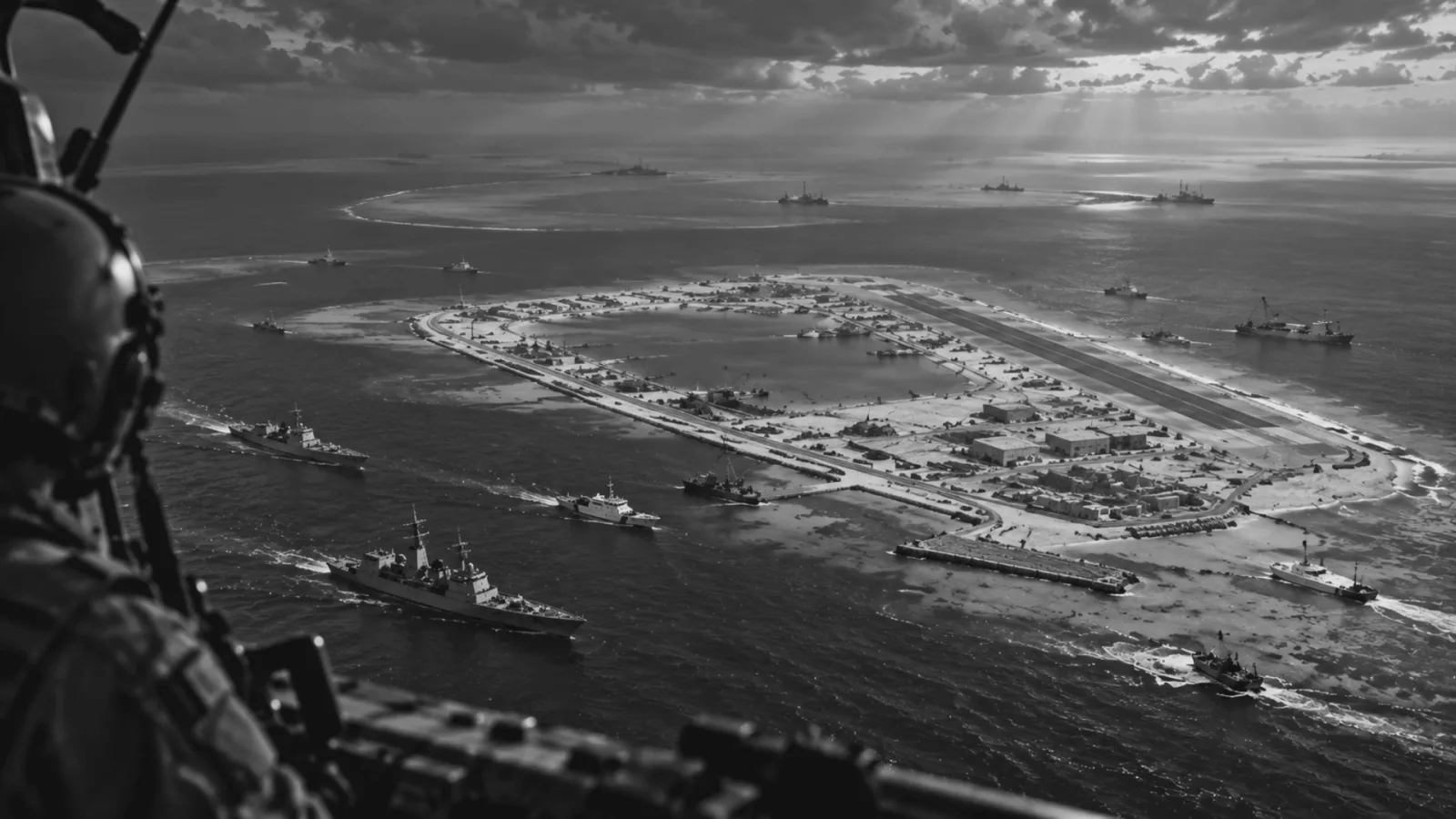
The importance of such a capability becomes apparent when viewed through the geography of the South China Sea. China possesses a far larger navy than any individual Southeast Asian claimant, supported by airpower, surveillance systems, coastal infrastructure and military facilities on occupied maritime features. This allows Beijing to maintain a substantial and often persistent presence in disputed areas. Smaller states cannot easily replicate this force structure. They can, however, develop coastal denial capabilities that impose disproportionate risks on expensive Chinese naval assets. A missile battery is considerably less expensive than the surface combatants it could potentially threaten, and its mobility makes it harder to neutralise than a permanently fixed coastal installation.
There is nevertheless an important distinction between possessing a missile and creating a credible anti-access capability. Maritime targets must be detected, identified and tracked, often beyond the radar horizon of the launcher. Communications, surveillance assets, target data, trained crews, sufficient missile stocks and the ability to survive counterattacks are therefore indispensable. In a February 2026 research paper, the International Institute for Strategic Studies assessed that emerging Southeast Asian anti-access capabilities still suffered from significant weaknesses in the coherence of their strategic, operational and technological planning. BrahMos offers a powerful component of maritime deterrence, but its effectiveness will depend on the defensive architecture built around it.⁴
The Philippines, Vietnam and Indonesia Present Three Different Challenges to China
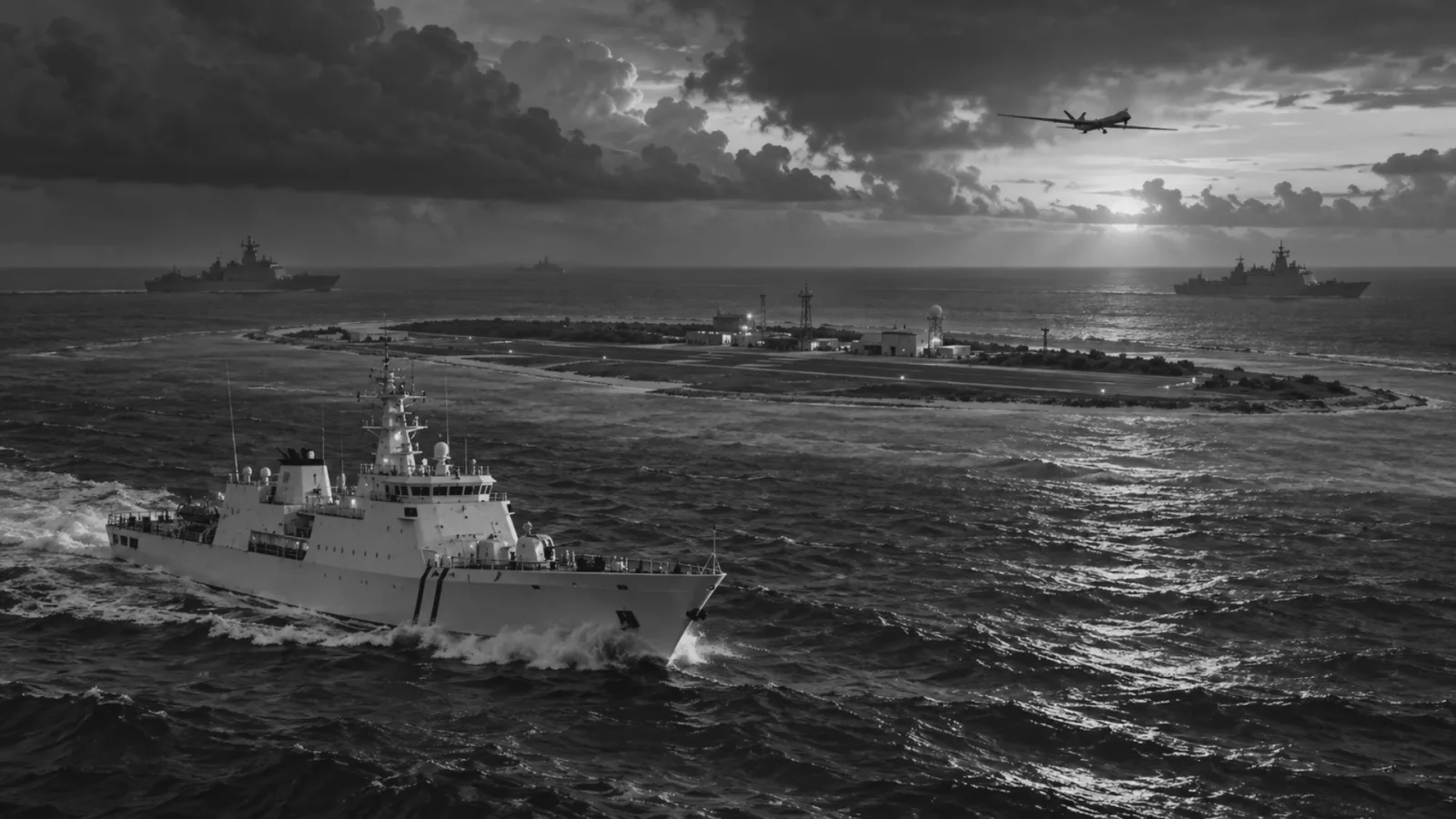
For the Philippines, the principal significance of BrahMos lies in strengthening a previously limited coastal defence capability against a substantially more powerful maritime competitor. The first operational Philippine battery has been positioned in western Luzon, facing the approaches to Scarborough Shoal, where Chinese coast guard and naval activities have repeatedly generated confrontations. Additional facilities are planned for northern Luzon and Palawan. These geographical positions are significant because they could permit Philippine forces to threaten selected Chinese naval movements in waters adjoining the Philippine archipelago. In September 2026, US Marines also assisted Philippine forces with strike-planning exercises involving the BrahMos system, demonstrating that the missile is becoming part of Manila's broader military modernisation effort.⁵
The implications extend beyond a confrontation around a particular reef. China's maritime operations depend partly on the assumption that it can maintain overwhelming conventional superiority over the Philippines during a crisis. BrahMos does not remove this superiority, but it introduces a new element into Chinese operational planning. A Chinese naval commander contemplating military escalation would need to consider the possibility that Philippine forces could impose significant damage even without defeating the Chinese fleet. This is especially relevant when naval forces operate within the engagement ranges of coastal batteries. However, the deterrent effect is conditional on Philippine political willingness to employ the weapons, the credibility of its targeting systems and China's assessment of whether such action would trigger wider intervention by the United States.
Vietnam presents a different and potentially more substantial challenge. Unlike the Philippines, Vietnam has long maintained a relatively developed military infrastructure and a tradition of preparing for conflict against a larger neighbouring power. Its extensive coastline faces the western South China Sea, while its disputes with China involve the Paracel Islands, the Spratly Islands and surrounding maritime entitlements. The introduction of BrahMos could strengthen Vietnam's existing anti-ship missile capabilities by improving the range, speed and survivability of its coastal strike options. It would complicate Chinese naval planning near selected contested areas, particularly during periods of heightened military tension.
The Vietnamese acquisition also has a distinct political significance. Hanoi maintains substantial economic relations with Beijing and has consistently avoided becoming part of an explicitly anti-China military alliance. Its security partnerships are therefore designed to preserve strategic independence rather than substitute one dependency for another. India's willingness to provide advanced missile technology gives Vietnam an additional defence partner without requiring Hanoi to enter a formal alliance structure. The May 2026 India-Vietnam joint statement, which elevated bilateral relations to an Enhanced Comprehensive Strategic Partnership, explicitly expanded cooperation in defence procurement, maritime security, information sharing, joint research and military training.⁶
Indonesia represents a third category of strategic consequence. Jakarta does not claim the Paracel or Spratly archipelagos and has traditionally avoided treating its maritime differences with China as a territorial dispute. Nevertheless, China's expansive maritime claims overlap Indonesia's exclusive economic zone near the Natuna Islands. Chinese coast guard activities have previously interfered with Indonesian energy exploration, demonstrating that even a country seeking balanced relations with Beijing can encounter coercive pressure in its own maritime jurisdiction. Indonesia's BrahMos acquisition could improve its ability to protect sensitive maritime approaches and reinforce its capacity to resist military pressure. However, Jakarta has not publicly confirmed an operational deployment location for the newly contracted systems, and its future use of BrahMos should not be assumed to mirror Philippine or Vietnamese defence planning.⁷
Taken together, these three relationships establish an emerging pattern of geographically dispersed coastal denial capabilities around the South China Sea. The Philippines faces the eastern approaches, Vietnam borders the western maritime theatre and Indonesia occupies a strategically important position near its southern approaches. Their individual missile systems will not create a continuous engagement zone across the entire sea. Nor is there evidence of a common command structure or integrated targeting network. Nevertheless, the gradual appearance of comparable capabilities across multiple countries introduces additional uncertainties for Chinese naval operations. Rather than confronting a single well-defined military opponent, Beijing may increasingly need to consider several independent states capable of inflicting meaningful losses under different crisis scenarios.
Why China's Maritime Strategy Could Become More Difficult
China's ambitions in the South China Sea extend beyond the acquisition of additional maritime territory. Beijing seeks to consolidate its claims, secure military advantages, protect strategic sea routes, influence the behaviour of neighbouring governments and progressively establish a regional environment in which Chinese preferences carry substantial weight. Its strategy combines military strength with sustained deployments of coast guard vessels, maritime militia, surveillance assets and administrative measures. These instruments allow China to exert pressure without necessarily crossing the threshold into open warfare.
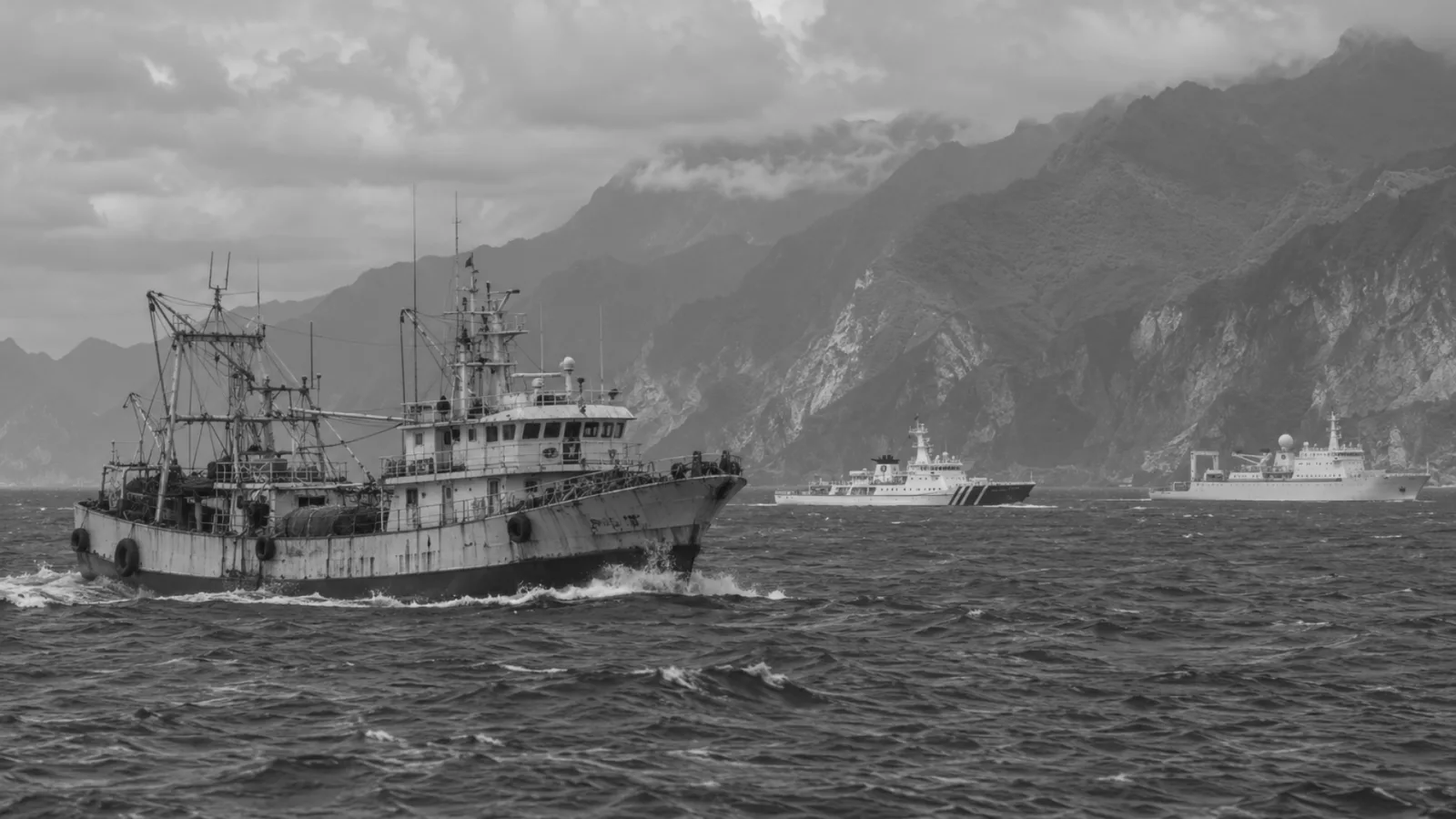
The effectiveness of this approach is evident in China's growing presence around contested areas. Research published by the Center for Strategic and International Studies in July 2026 found that Chinese coast guard vessels recorded approximately 933 ship-days around Scarborough Shoal during the first six months of 2026, approaching the 1,099 ship-days recorded throughout 2025. The concentration of Chinese vessels has created persistent operational pressure on Philippine maritime authorities and fishermen, reinforcing Beijing's ability to influence access to contested waters even without deploying large naval combat formations.⁸
BrahMos complicates this approach primarily at the upper end of the escalation spectrum. China can deploy coast guard vessels to enforce its claims because it generally operates under the assumption that the Philippines and other claimants are unlikely to respond with military force. The introduction of supersonic anti-ship missiles does not fundamentally change this political calculation during routine encounters. It would be extremely difficult for Manila or Hanoi to justify launching such weapons against a coast guard vessel involved in a relatively limited confrontation. The consequences of doing so could be disproportionate and potentially trigger a wider conflict.
Where BrahMos becomes significant is in situations where China chooses to employ regular naval forces to enforce a blockade, threaten military installations, support an amphibious operation or escalate a confrontation into a conventional military crisis. In such circumstances, Chinese planners would face additional threats from missile-equipped coastal formations. Consequently, BrahMos is more effective as a deterrent against overt military escalation than as a direct solution to China's everyday maritime coercion. This distinction is essential because the latter remains one of Beijing's preferred methods for gradually changing conditions in contested waters.
China could respond by strengthening surveillance, electronic warfare, missile defence and precision-strike capabilities against regional coastal missile systems. It could also seek to preserve freedom of manoeuvre by operating outside known engagement areas and employing other instruments of pressure. Therefore, India-backed missile deployments may alter the costs of Chinese naval operations without necessarily reducing the frequency of coercive encounters. Their success should be judged by whether they discourage more dangerous forms of military escalation, rather than simply by whether Chinese vessels cease operating near disputed features.
The geographical spread of BrahMos also introduces a political challenge for Beijing. China has historically managed its relations with Southeast Asian states through differentiated combinations of economic engagement, diplomacy and military pressure. The emergence of similar defensive capabilities across countries with contrasting foreign policies could make it harder to treat maritime resistance as the product of one particular alliance or external power. At the same time, the three recipients remain sovereign actors with distinct national priorities. Their shared ownership of an Indian missile does not imply that they would act together against China.
India's Strategic Gains Extend Beyond Missile Revenue
For India, the immediate financial benefits are substantial. Defence exports reached ₹38,424 crore in the 2025–26 financial year, an increase of 62.66 per cent over the preceding year, according to the Ministry of Defence. Continued BrahMos orders would contribute to production volumes, sustain specialist industrial capabilities and strengthen India's reputation as a supplier of sophisticated military technology. Yet the greater strategic benefit lies in the political and institutional relationships that accompany such transfers.⁹
Advanced missile exports generate forms of interdependence that ordinary commercial trade rarely produces. The recipient relies on the supplier for technical training, maintenance, spare parts, software support, upgrades and potentially the integration of complementary surveillance systems. These relationships can continue for decades and encourage regular exchanges between military institutions, defence manufacturers and government authorities. From New Delhi's perspective, this creates opportunities for sustained strategic engagement in Southeast Asia without requiring the permanent deployment of Indian combat forces.
The Philippines provides evidence of how such cooperation can evolve. In August 2025, India and the Philippines formally established a strategic partnership, committing themselves to deeper defence industry collaboration, military exchanges, maritime security cooperation and maritime domain awareness. Their naval forces also conducted a bilateral maritime exercise that month. More recently, Indian warships participated in the second ASEAN-India Maritime Exercise, which commenced in Subic Bay in September 2026. These developments illustrate a movement from defence transactions towards institutionalised security cooperation.¹⁰
A further opportunity emerged on 5 November when Philippine Defence Secretary Teodoro identified India as a potentially important partner in Manila's proposed military satellite acquisition programme. This matters because maritime surveillance is among the principal supporting requirements for long-range anti-ship missile operations. If India eventually becomes involved in Philippine satellite or maritime domain awareness programmes, the strategic relationship could expand from supplying weapons to assisting the infrastructure that enables them to operate effectively. Such cooperation remains prospective, but it demonstrates how a major defence export can create opportunities across adjacent military and technological sectors.¹¹
India's relationship with Vietnam provides another example of strategic interests extending beyond the immediate defence transaction. New Delhi has maintained a presence in Vietnamese offshore energy exploration for decades through ONGC Videsh. This includes interests in Block 06.1 and exploration rights historically associated with Block 128 in the South China Sea. These projects have carried geopolitical significance because of overlapping Chinese maritime claims. ONGC's current public disclosures also indicate that gas production from Block 06.1 ceased in July 2025, meaning the relationship should not be presented as an uninterrupted source of active production revenue. Nevertheless, India's longstanding participation in Vietnam's offshore energy sector demonstrates that New Delhi possesses interests in the South China Sea independent of the BrahMos programme.¹²
By strengthening Vietnam's ability to resist military coercion, India contributes indirectly to a regional environment in which smaller states can exercise greater freedom over their economic and maritime decisions. The benefit is not that Indian missiles would protect an individual commercial investment. Rather, cooperation with Vietnam reinforces India's broader interest in preserving the principle that maritime rights and commercial activities should not be determined exclusively by the military power of the largest regional state.
The implications for India's competition with China are equally important. New Delhi faces sustained strategic pressure from Beijing along its northern land frontier, while China's expanding naval capabilities have increased its presence across the Indian Ocean. India has traditionally responded through military preparedness, partnerships and a policy of strategic autonomy. BrahMos exports create an additional instrument of influence by strengthening countries that occupy geographically important positions near China's maritime approaches. The effect is indirect, and it would be mistaken to assume that selling missiles to Southeast Asia gives India immediate military leverage along the Line of Actual Control. Nevertheless, it demonstrates that India's strategic options are not confined to the Himalayan frontier or its immediate maritime neighbourhood.
This approach also differs from conventional military balancing through alliances. India can contribute to the defensive capabilities of states concerned about Chinese power without demanding their participation in a formal security bloc. This is particularly advantageous in Southeast Asia, where governments are generally reluctant to sacrifice diplomatic flexibility or become subordinate partners in great-power competition. India's attractiveness as a defence supplier partly derives from its ability to offer meaningful military technology while respecting the strategic autonomy of its customers.
There are limits to this advantage. BrahMos remains the product of a joint venture between India's Defence Research and Development Organisation and Russia's NPO Mashinostroyenia, with the Indian side holding 50.5 per cent and the Russian side 49.5 per cent. The extent of Moscow's rights over particular technologies and export decisions is not fully established by publicly available information. This arrangement creates a continuing requirement for India to manage technological dependencies and joint-venture obligations while pursuing its defence diplomacy. Long-term strategic credibility will depend not only on securing contracts but also on dependable delivery, sustainment and future technological development.¹³
The Risk of Escalation and the Limits of Distributed Deterrence
The proliferation of BrahMos across Southeast Asia should not be confused with the creation of a coordinated anti-China missile network. The Philippines is a treaty ally of the United States, Vietnam pursues an independent defence policy and Indonesia remains committed to avoiding formal alignment with competing major powers. These differences influence the circumstances under which each government might employ military force. They also limit prospects for integrating their missile inventories into a common regional command arrangement.
China could respond differently to each recipient. It may apply intensified military pressure against Manila, employ diplomatic or economic influence against Hanoi, and seek to preserve strategic engagement with Jakarta. It could also exploit the fact that coastal missile capabilities require additional surveillance, communications, air defence and logistics infrastructure to become operationally credible. Moreover, stocks of high-value precision missiles are finite. Without adequate replenishment, redundancy and protection from pre-emptive strikes, their deterrent value could decline rapidly in a prolonged conflict.
There is also a danger that growing confidence in coastal strike capabilities could encourage more assertive crisis behaviour among regional governments. This concern should not be exaggerated, since the acquisition of defensive missiles does not automatically make a state more confrontational. Nevertheless, strengthening deterrence requires clarity about military objectives, political control over weapons employment and reliable escalation-management mechanisms. The purpose of these systems should be to discourage military aggression, not to make the resort to force appear less consequential.
CNAWS Assessment
India's emerging BrahMos partnerships are unlikely to overturn Chinese naval superiority, but they could progressively weaken one of its most important operational advantages: the ability to assume that neighbouring states cannot impose serious military costs during a conventional maritime confrontation. By assisting the Philippines, Vietnam and Indonesia in developing independent coastal strike capabilities, India is contributing to a more distributed regional deterrence environment. The resulting effect on China is cumulative rather than immediate, and it will depend on how effectively the recipient states integrate their missiles with surveillance networks, operational doctrine and broader force structures.
The more consequential transformation concerns India's own strategic position. BrahMos exports are enabling New Delhi to convert advanced military technology into sustained relationships with countries situated along important maritime approaches to China. These partnerships complement India's existing naval diplomacy, energy interests, defence cooperation and commitment to a rules-based maritime order. They also offer a means of shaping the Indo-Pacific security environment without abandoning strategic autonomy or entering a formal military confrontation with Beijing.
The proposed additional Philippine order will be particularly revealing because it may indicate whether BrahMos is becoming a durable regional defence capability rather than a limited collection of initial purchases. Other indicators will include the implementation of Vietnam's agreement, Indonesia's eventual deployment arrangements, improvements in maritime surveillance integration and the emergence of follow-on Indian defence partnerships in areas such as space technology, naval systems and electronic warfare.
Ultimately, the strategic value of BrahMos exports lies less in the number of missiles sold than in the choices they create for Southeast Asian states and the complications they introduce for Chinese military planning. China may retain the region's strongest navy, but maritime superiority becomes less decisive when neighbouring countries acquire credible means of challenging its use. For India, helping to create that condition is a strategic dividend that extends well beyond the balance sheet of its defence industry.
Endnotes
Saurabh Sharma, Karen Lema, and Aftab Ahmed, “India in Final-Stage Talks to Expand Missile Sale to Philippines, Sources Say,” Reuters, November 5, 2026. Full report. See also Philippine News Agency, “PH Eyes More Indian BrahMos Cruise Missile Systems,” November 5, 2026. Full report.
Amrita Nayak Dutta, “‘India Has Signed Deal with Vietnam for Supply of BrahMos’: Defence Secretary Rajesh Kumar Singh,” Indian Express, May 31, 2026. Full report. Cabinet Secretariat of the Republic of Indonesia, “Indonesia, India Strengthen Strategic Partnership Through 16 Cooperation Agreements,” July 7, 2026. Official statement.
Janes, “Philippines to Deploy BrahMos Missiles with New Coastal Defence Unit.” Technical and deployment report. BrahMos Aerospace, “India Delivers First Batch of BrahMos Missiles to Philippines,” April 19, 2024. Full report.
Evan A. Laksmana, Contingent Capabilities: Southeast Asia's Emerging Anti-access Environment (London: International Institute for Strategic Studies, February 26, 2026). Research paper.
Aaron-Matthew Lariosa, “Marines Help Philippine Armed Forces Develop Strike Plans for BrahMos Anti-Ship Missile,” USNI News, September 8, 2026. Full report. See also “Philippine Marine Corps Unveils First BrahMos Anti-Ship Missile Battery,” USNI News, November 7, 2025. Full report.
Government of India, Prime Minister's Office, “Joint Statement on Enhanced Comprehensive Strategic Partnership between the Republic of India and the Socialist Republic of Vietnam,” May 6, 2026. Official joint statement.
Reuters, “Indonesia Says Chinese Vessel Twice Driven Away after Disrupting Energy Survey,” October 24, 2024. Full report. See also Asia Maritime Transparency Initiative, “Seismic Strife: China and Indonesia Clash over Natuna Survey,” Center for Strategic and International Studies, October 28, 2024. Full analysis.
Asia Maritime Transparency Initiative, “Occupational Risk? Chinese Presence Surges at Scarborough Shoal,” Center for Strategic and International Studies, July 2, 2026. Full research.
Ministry of Defence, Government of India, “Defence Exports Skyrocket to Record Rs 38,424 Crore in Financial Year 2025–26,” Press Information Bureau, April 2, 2026. Official release.
Government of India, Prime Minister's Office, “Declaration on the Establishment of a Strategic Partnership between the Government of the Republic of India and the Government of the Republic of the Philippines,” August 5, 2025. Official declaration. Ministry of Defence, “ASEAN-India Maritime Exercise (AIME-2026) Commences in Subic Bay, Philippines,” September 30, 2026. Official release.
Philippine News Agency, “PH Eyes More Indian BrahMos Cruise Missile Systems,” November 5, 2026. Full report.
Oil and Natural Gas Corporation, “ONGC Videsh Limited,” official corporate profile and overseas assets disclosure. Corporate information. See also “ONGC Videsh Secures Contract Extension for Vietnam Oil Blocks,” Economic Times, August 19, 2024. Full report.
BrahMos Aerospace, “About Joint Venture,” official corporate information. Joint venture structure. See also Manish Kumar Jha, “BrahMos: 25 Years of the Joint Venture,” Manohar Parrikar Institute for Defence Studies and Analyses. Research analysis.
Tags

Author