India–China Military Talks in Arunachal Pradesh: Tactical De-escalation or Temporary Strategic Pause?
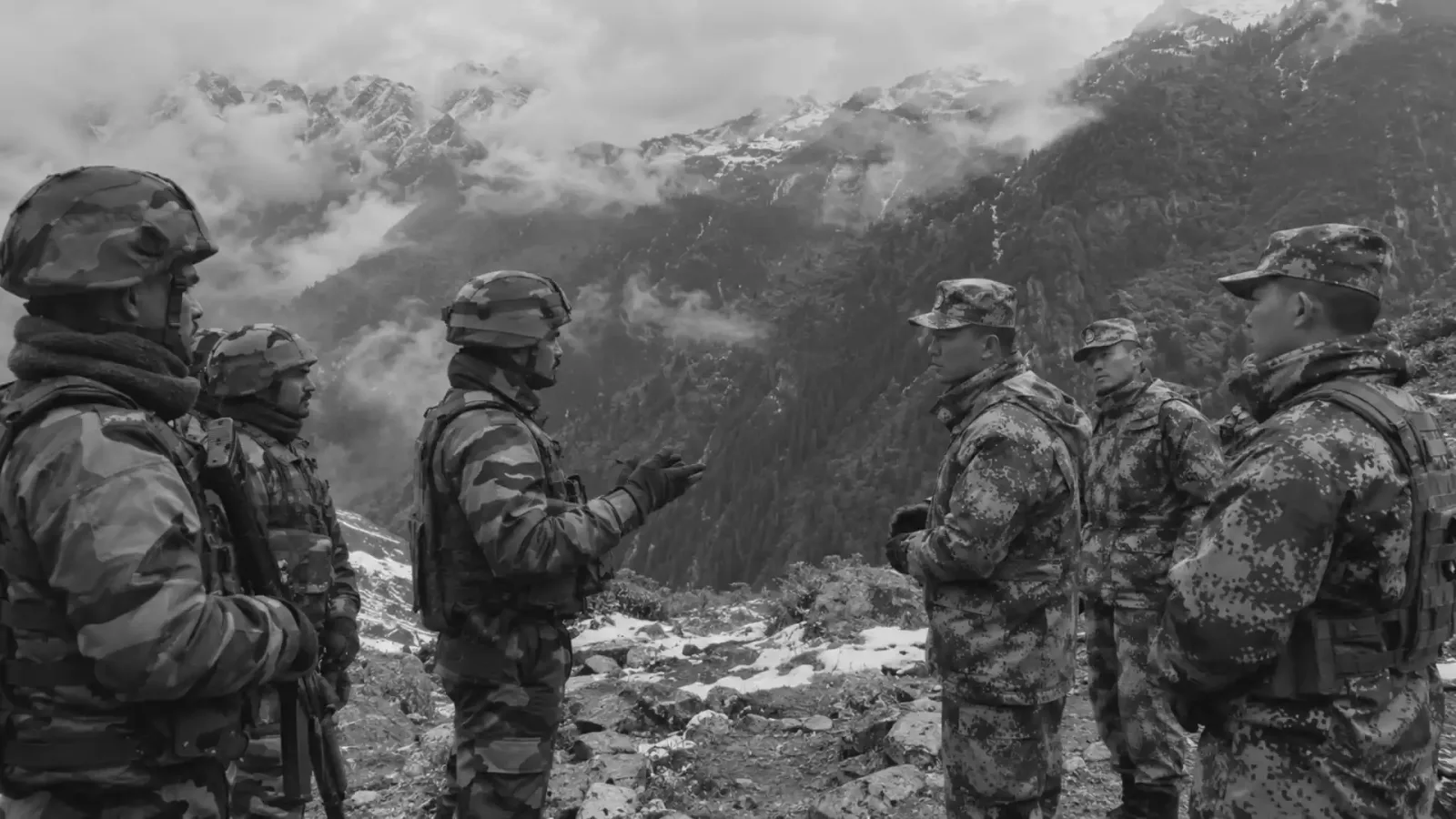
India and China have concluded a second round of Corps Commander-level talks aimed at reducing military tensions along the Line of Actual Control (LAC) in Arunachal Pradesh following months of intermittent confrontations between Indian and Chinese patrols. The discussions, which commenced on 8 November 2026 and continued for nearly ten days, focused on preventing military confrontations, improving communication mechanisms and establishing procedures for managing encounters along contested stretches of the frontier. While the talks indicate a mutual willingness to prevent further escalation, the absence of a publicly disclosed disengagement agreement or confirmation of the restoration of established patrolling arrangements makes it difficult to determine whether the underlying causes of the confrontation have been addressed. The development assumes greater strategic significance when examined alongside China's continuing territorial claims over Arunachal Pradesh, infrastructure development along the eastern LAC and efforts to institutionalise its territorial narratives through cartographic and administrative measures. The approaching winter may temporarily reduce military friction, but the durability of the latest understanding will depend on whether established patrolling practices are respected and whether confrontations recur once favourable weather conditions return.
1. Background and Recent Developments
On 22 November 2026, it emerged that India and China had concluded their second round of Corps Commander-level discussions aimed at resolving ongoing military tensions along the Arunachal Pradesh frontier. The negotiations commenced on 8 November and continued for nearly ten days, with a brief interruption. The Indian delegation was led by Lieutenant General Girish Kalia, General Officer Commanding of the Indian Army's III Corps, and included a representative from the Ministry of External Affairs. The discussions primarily focused on establishing procedures to prevent confrontations between Indian and Chinese patrols, maintaining communication between military formations and reducing the possibility of inadvertent escalation along contested stretches of the LAC. The latest engagement followed the first round of Corps Commander-level talks held on 6 and 7 September 2026 at the Wacha–Damai Border Personnel Meeting Point in the Kibithoo sector of Arunachal Pradesh.¹ ²
The negotiations were conducted against the backdrop of heightened military tensions around Taksing and Asaphila in Arunachal Pradesh's Upper Subansiri district, where Indian and Chinese patrols have reportedly experienced multiple confrontations since July 2026. The decision to elevate discussions to the Corps Commander level is particularly significant because senior military negotiations of this nature have predominantly been associated with the eastern Ladakh standoff since 2020. Their extension to the eastern sector indicates that recurring patrol confrontations in Arunachal Pradesh have acquired sufficient operational and diplomatic significance to warrant engagement beyond existing local military mechanisms. Although a reduction in tensions has reportedly been observed following the discussions, neither side has publicly disclosed the precise terms of the understanding, whether any troops have been repositioned or whether previously established patrolling arrangements have been restored.³ ⁴
2. Understanding the Taksing–Asaphila Confrontation
The origins of the present military confrontation can be traced to late July 2026, when Indian and Chinese patrols reportedly encountered each other near Taksing in Upper Subansiri district. Subsequent reports indicated the presence of Chinese military personnel and temporary shelters in areas falling within India's perception of the LAC, including locations around Asaphila and Maja. Local communities also raised concerns regarding access to traditional grazing grounds and the increasing presence of Chinese personnel in disputed areas. While several reports characterised these developments as Chinese incursions, the precise extent of the reported movements remains difficult to independently establish owing to the absence of a mutually delineated LAC in these areas. Nevertheless, the persistence of military encounters over subsequent months suggests that the developments were more consequential than an isolated confrontation between routine patrols.⁵
Initial official responses sought to downplay the reported tensions, with Arunachal Pradesh Home Minister Mama Natung rejecting allegations of Chinese encroachment in July. However, on 22 October 2026, Indo-Tibetan Border Police Director General Shatrujeet Kapur publicly acknowledged that Indian and Chinese forces had faced off at multiple locations in Arunachal Pradesh. The Ministry of External Affairs subsequently attributed such confrontations to deviations from established patrolling patterns by Chinese forces. Beijing, on the other hand, maintained that its border personnel were undertaking normal patrol and control activities in accordance with existing bilateral agreements. These conflicting positions highlight the fundamental challenge confronting border management in the eastern sector. Whereas India regards deviations from previously established patrolling arrangements as a source of instability, China continues to justify its military activities through its own interpretation of territorial jurisdiction and permissible patrol boundaries.⁶ ⁷ ⁸
The operational significance of these confrontations extends beyond the physical presence of military personnel at disputed locations. In the absence of a mutually accepted boundary alignment, repeated patrolling constitutes an important mechanism through which both countries demonstrate their respective territorial positions. Consequently, restrictions on access to traditionally patrolled areas, even when introduced temporarily to prevent confrontations, can acquire considerable strategic significance if they become persistent. Although such restrictions do not automatically constitute a formal alteration of territorial sovereignty, they may affect the practical exercise of access and military presence over time. Any assessment of the latest negotiations must therefore distinguish between the reduction of confrontations and the restoration of the operational conditions that existed before tensions emerged in July 2026.
3. Military Diplomacy and the Limits of Border Management
The November negotiations must be viewed within the broader framework of India–China diplomatic engagement following the October 2024 patrolling agreement that facilitated disengagement at the remaining friction points in eastern Ladakh. On 25 August 2026, National Security Advisor Ajit Doval and Chinese Foreign Minister Wang Yi held the 25th round of Special Representatives' talks in Beijing, resulting in an eight-point consensus covering boundary negotiations, military communication and border management. Among the significant outcomes was an agreement to establish two additional meeting points for senior military commanders and two additional military hotline channels in the eastern and middle sectors of the LAC. The subsequent Corps Commander-level meetings in September and November can therefore be understood as part of a broader attempt to institutionalise military communication across the frontier rather than limiting high-level military engagement to eastern Ladakh.⁹
However, the expansion of military dialogue should not be confused with progress towards resolving the boundary dispute itself. Existing border-management mechanisms primarily seek to regulate military behaviour in areas where territorial disagreements persist, thereby reducing the probability of confrontations escalating into armed conflict. Their limitations became apparent during the eastern Ladakh standoff in 2020 and subsequently during the Yangtse confrontation in Arunachal Pradesh's Tawang sector on 9 December 2022, when Indian forces prevented what New Delhi described as a Chinese attempt to alter the status quo. The recurrence of confrontations despite decades of bilateral confidence-building agreements demonstrates that diplomatic mechanisms can facilitate crisis management without necessarily eliminating competing territorial objectives.¹⁰
The November talks may consequently provide both sides with greater predictability in managing military encounters, particularly through improved communication and mutually understood procedures. However, their strategic effectiveness will depend on whether these mechanisms prevent deviations from established patrolling practices or merely provide a framework for managing the confrontations resulting from such deviations. For India, an arrangement that reduces the frequency of confrontations without restoring established access to traditionally patrolled areas could potentially preserve operational restrictions that emerged during the recent period of tension. The absence of a publicly available agreement makes it premature to determine whether such concerns apply to the November negotiations.
4. Winter Deployments and the Changing Military Balance
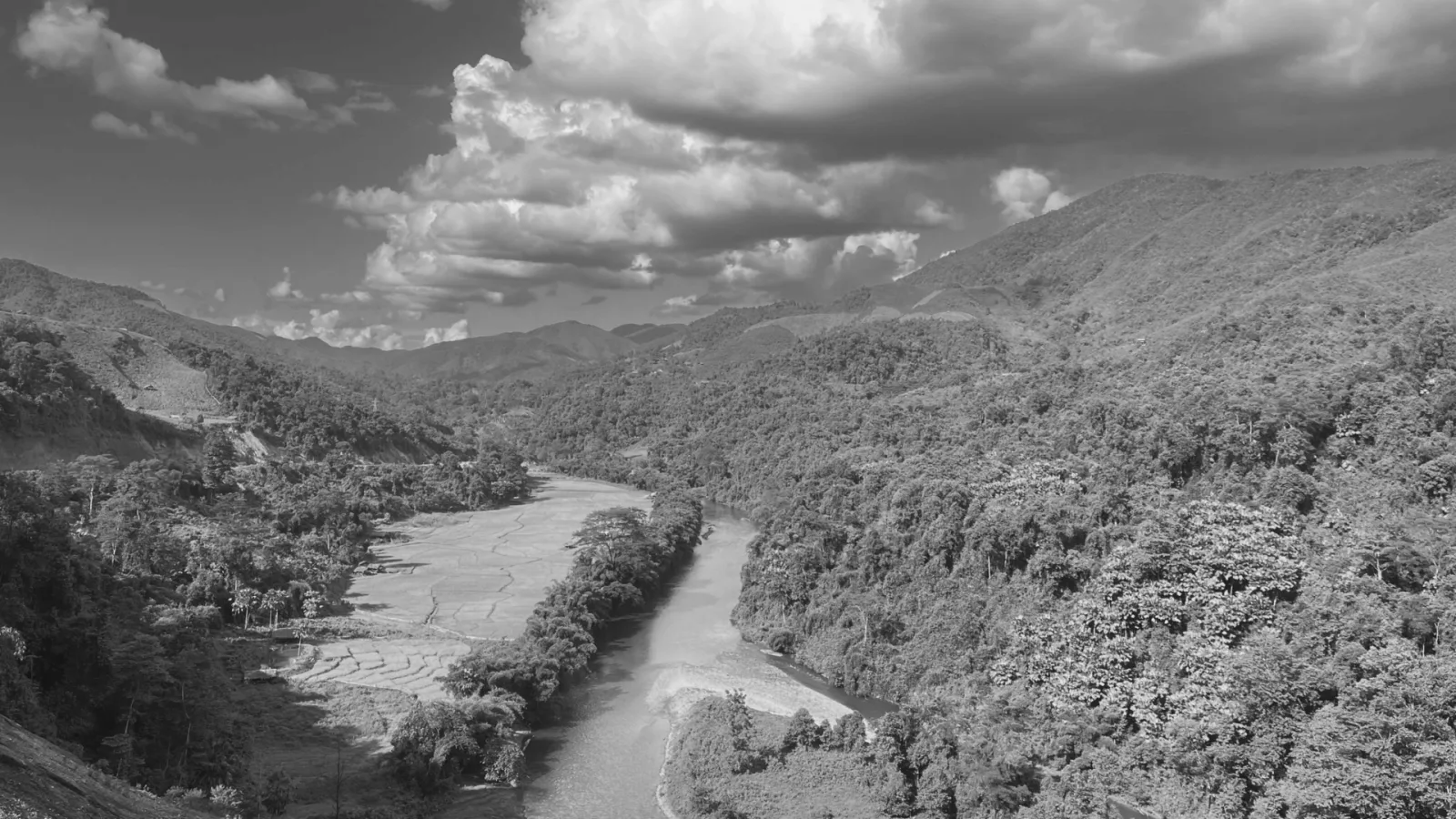
The timing of the latest negotiations is particularly relevant because the approaching winter will impose considerable constraints on military activity across the eastern Himalayan frontier. Arunachal Pradesh's mountainous terrain, dense vegetation, limited road connectivity and extreme weather conditions complicate the movement, deployment and sustainment of military formations. Heavy snowfall at higher elevations can restrict access to certain patrolling areas, while deteriorating weather conditions affect surveillance, logistical support and troop rotations. Both militaries therefore have practical incentives to prevent unnecessary confrontations during the winter months, irrespective of whether their underlying territorial disagreements have been resolved. A seasonal reduction in military activity could consequently create the appearance of successful de-escalation without necessarily reflecting a fundamental change in either side's operational posture.
This situation must also be examined against the backdrop of China's extensive infrastructure development across the Tibetan plateau. The construction of roads, bridges, military-support facilities, telecommunications infrastructure and border settlements has progressively improved the PLA's capacity to sustain its presence along the Himalayan frontier. Around Taksing, open-source assessments indicate that India has at least seven road links either planned or under development, of which only one was reported to have been completed as of October 2026. Although India has significantly accelerated its border infrastructure development in recent years, connectivity constraints remain particularly consequential in remote parts of Arunachal Pradesh, where geographical conditions complicate the construction and maintenance of transport infrastructure.¹¹
The strategic importance of this infrastructure asymmetry lies not necessarily in the immediate numerical balance of deployed forces but in the ability of either military to maintain its presence, sustain personnel and undertake routine activities over prolonged periods. Infrastructure can provide enduring advantages that remain relevant even during periods of diplomatic engagement and reduced military friction. Consequently, a temporary reduction in patrol confrontations does not necessarily indicate a corresponding reduction in military capability or preparedness. The sustainability of the November understanding will become clearer once seasonal restrictions recede and both militaries resume their regular patrolling activities.
5. Examining the Confrontation Through the Prism of Grey-Zone Warfare
The developments around Taksing and Asaphila can also be examined through the conceptual framework of grey-zone warfare, which involves the pursuit of strategic objectives through activities that remain below the threshold of conventional armed conflict. In contested territorial environments, such activities may include persistent patrolling, temporary deployments, infrastructure development, administrative assertions and diplomatic pressure. Individually, these measures may appear insufficient to warrant a major military response, but their cumulative effect can potentially alter the practical conditions under which territorial disputes are managed.
A significant characteristic of grey-zone competition is the difficulty of establishing a clear threshold between routine activity and coercive behaviour. China's position that its border personnel are conducting legitimate patrols within territory claimed by Beijing contrasts with India's contention that deviations from established patrolling patterns are responsible for recurring confrontations. This divergence creates an environment in which military activities can be justified through competing territorial interpretations. The absence of a mutually accepted LAC alignment further complicates the distinction between routine patrolling, deliberate transgression and attempts to establish a more persistent military presence.
Such activities may also create an asymmetry in the political and military costs associated with maintaining the status quo. Repeated confrontations place continuing demands on surveillance, diplomatic engagement, military preparedness and logistical resources, even when they do not culminate in armed conflict. Over time, the management of recurring incidents can itself become an additional burden on military formations and diplomatic institutions. However, while the reported developments around Taksing and Asaphila exhibit characteristics consistent with grey-zone competition, publicly available evidence remains insufficient to establish that each reported patrol movement or temporary deployment formed part of a centrally directed Chinese campaign to alter territorial control.
6. Cartographic Manipulation and Territorial Narrative Normalisation
The military developments along the eastern LAC must also be examined alongside China's continuing efforts to advance its territorial claims over Arunachal Pradesh through cartographic, administrative and informational measures. Beijing refers to Arunachal Pradesh as Zangnan, or southern Tibet, and has repeatedly issued lists assigning Chinese names to geographical features and settlements within the Indian state. India has consistently rejected these claims and maintains that Arunachal Pradesh is an integral and inalienable part of its territory. In April 2026, India again rejected a Chinese renaming exercise, while on 7 August 2026, the Ministry of Home Affairs announced the identification of 27 locations and geographical features by standard names on official Survey of India maps, including several locations in the border region.¹² ¹³
The significance of such exercises extends beyond geographical nomenclature. Cartographic representations influence how territorial boundaries, settlements and administrative jurisdictions are understood by domestic and international audiences. The repeated incorporation of alternative place names into official documents, digital mapping platforms, academic publications and other geographical databases can potentially contribute to the gradual normalisation of contested territorial claims. Although renaming locations does not alter their legal status or establish physical control, sustained repetition can influence perceptions among audiences unfamiliar with the historical and legal dimensions of the boundary dispute. Territorial narrative normalisation can therefore become an important component of cognitive competition, particularly when geographical information is increasingly accessed through digital platforms.
The issue acquired additional significance in November 2026 following allegations that contributors suspected of having Chinese affiliations were modifying geographical information relating to Arunachal Pradesh on OpenStreetMap. In its 22 November SITREP, Mapping the Claim: Chinese-Linked Cartographic Manipulation and the India–China Confrontation in Arunachal Pradesh, CNAWS examined how modifications to publicly accessible geographical databases could potentially contribute to the wider dissemination of Chinese territorial narratives. Given that open-source geographical datasets are utilised by numerous commercial platforms, researchers and digital applications, inaccurate or politically motivated modifications may extend beyond their original platform and influence other information environments. Nevertheless, the available evidence does not independently establish Chinese government direction of the alleged editing activity.¹⁴
The relationship between physical military activity and geographical narrative manipulation is particularly relevant in the context of territorial competition. Military presence and patrolling influence the practical exercise of access, infrastructure development strengthens the ability to sustain that presence, while cartographic and administrative representations seek to reinforce particular interpretations of territorial ownership. These instruments can produce mutually reinforcing effects even when a direct operational relationship between them has not been established. Consequently, a reduction in military tensions following the November negotiations should not be interpreted as an indication that the wider territorial competition between India and China has diminished.
7. The Strategic Importance of Civilian Presence Along the Frontier
An often overlooked dimension of territorial competition along the eastern LAC concerns the relationship between military security, civilian settlements and the economic sustainability of border communities. Remote settlements such as Taksing are not merely geographical locations situated near an international boundary but represent an enduring civilian connection with the frontier. Traditional grazing practices, pilgrimage routes, local place names and historical patterns of movement provide important context for understanding how communities interact with the surrounding geography. Restrictions on such activities, whether resulting from military tensions, inadequate infrastructure or geographical isolation, can gradually weaken the relationship between civilian populations and their traditional areas.
CNAWS's earlier report, The Faces of the Face-Off: Life and Power on the Taksing Frontier, examined the importance of local communities, historical routes and infrastructure development in understanding the territorial competition surrounding Taksing. The continued development of roads, telecommunications, healthcare, education and economic opportunities in India's frontier regions is therefore relevant not only to regional development but also to the long-term resilience of border communities. A comprehensive approach to border security must account for these civilian dimensions alongside conventional military preparedness, recognising that sustained habitation and connectivity contribute to the state's enduring administrative presence.¹⁵
8. Strategic Assessment
The conclusion of the second round of Corps Commander-level talks represents a potentially constructive development in India–China border management, particularly given the persistence of military confrontations in Arunachal Pradesh since July 2026. Nevertheless, the available evidence does not establish whether the negotiations have resulted in physical disengagement, the restoration of established patrolling practices or a mutually acceptable arrangement concerning the locations where confrontations occurred. The approaching winter further complicates this assessment because seasonal restrictions may independently reduce the frequency of military encounters, making it difficult to distinguish successful diplomatic intervention from a temporary decline in operational activity.
The broader strategic concern arises from the possibility that a reduction in immediate military friction may coexist with continuing infrastructure development, competing territorial assertions and attempts to normalise geographical claims. These dimensions operate over different time horizons and do not necessarily cease when military commanders reach an understanding. While diplomatic engagement can reduce the risks associated with individual confrontations, the durability of such arrangements ultimately depends on whether they address the operational disagreements that produced the confrontations in the first place. Developments that merit continued observation include changes in military presence, the restoration of previously established patrolling practices, the implementation of additional military communication mechanisms and the recurrence of territorial disputes after winter.
From India's perspective, the strategic objective should extend beyond preventing another major military confrontation along the LAC to preserving established access, strengthening frontier infrastructure, maintaining credible situational awareness and ensuring that its territorial position is accurately represented across physical and digital information environments. Diplomatic engagement and military preparedness should therefore be viewed as complementary instruments of border management rather than mutually exclusive approaches.
The November negotiations have created an opportunity for tactical de-escalation, but the absence of independently verifiable changes in the underlying operational situation makes it premature to characterise the development as a durable strategic settlement. The more meaningful test will emerge after winter, when the resumption of regular patrolling will demonstrate whether the latest understanding has addressed the sources of military friction or merely postponed their recurrence.
Endnotes
1. Amrita Nayak Dutta, “India, China Commanders Meet Again to Try and Calm Arunachal Frontier,” The Indian Express, November 22, 2026. https://indianexpress.com/article/india/india-china-commanders-meet-again-to-try-and-calm-arunachal-frontier-10973140/
2. “India, China Hold Second Round of Corps Commander Talks to Ease LAC Tensions in Arunachal Pradesh,” The New Indian Express, November 22, 2026. https://www.newindianexpress.com/india/2026/Nov/22/india-china-hold-second-round-of-corps-commander-talks-to-ease-lac-tensions-in-arunachal-pradesh
3. “India, China Corps Commanders Hold Talks in Arunachal Pradesh,” The Indian Express, September 6, 2026. https://indianexpress.com/article/india/india-china-corps-commanders-hold-talks-in-arunachal-pradesh-10865848/
4. Satarupa Bhattacharjya, “Weekslong India-China Military Discussions End for Now, Say Sources,” Business Standard, November 22, 2026. https://www.business-standard.com/external-affairs-defence-security/news/weekslong-india-china-military-discussions-end-for-now-say-sources-126112200429_1.html
5. Saurabh Sharma et al., “India Says Border Peace Critical to Ties with China amid Reports of Military Tensions,” Reuters, August 12, 2026. https://www.reuters.com/world/china/india-says-border-peace-critical-ties-with-china-amid-reports-military-tensions-2026-08-12/
6. Press Trust of India, “Arunachal Home Minister Dismisses Reports of Chinese Encroachment in Taksing,” ThePrint, July 26, 2026. https://theprint.in/india/arunachal-home-minister-dismisses-reports-of-chinese-encroachment-in-taksing/2997174/
7. Divya A, “China Breaking Patrol Patterns Leads to Face-Off: Centre on ITBP Chief's Remark,” The Indian Express, October 24, 2026. https://indianexpress.com/article/india/india-china-border-lac-mea-peace-bilateral-ties-10934040/
8. Ministry of Foreign Affairs of the People's Republic of China, “Foreign Ministry Spokesperson Guo Jiakun's Regular Press Conference on October 26, 2026.” https://www.fmprc.gov.cn/mfa_eng/xw/fyrbt/202610/t20261026_12047091.html
9. Ministry of Foreign Affairs of the People's Republic of China, “Eight Points of Outcomes and Consensus for the 25th Round of Talks Between Special Representatives of China and India on the Boundary Question,” August 26, 2026. https://www.fmprc.gov.cn/eng/wjbzhd/202608/t20260826_12011002.html
10. Government of India, Ministry of Defence, “Translation of Raksha Mantri's Statement in Parliament,” Press Information Bureau, December 13, 2022. https://www.pib.gov.in/PressReleseDetailm.aspx?PRID=1883008&lang=2®=48
11. “Taksing India-China Border Face-Offs Expose Conflicting Maps and Road Gaps,” India Today, October 28, 2026. https://www.indiatoday.in/india/story/taksing-india-china-border-face-offs-conflicting-maps-road-gaps-3026774-2026-10-28
12. Shubhajit Roy, “‘Mischievous Attempts’: India Rejects China's ‘Fictitious Names’ to Places in Arunachal Pradesh,” The Indian Express, April 12, 2026. https://indianexpress.com/article/india/india-china-rename-arunachal-pradesh-mea-10632747/
13. Government of India, Ministry of Home Affairs, “Government of India in Consultation with Government of Arunachal Pradesh Identified 27 Places/Features Located in Arunachal Pradesh,” Press Information Bureau, August 7, 2026. https://www.pib.gov.in/PressReleasePage.aspx?PRID=2296151&lang=1®=22
14. “Mapping the Claim: Chinese-Linked Cartographic Manipulation and the India–China Confrontation in Arunachal Pradesh,” Centre for New Age Warfare Studies, November 22, 2026. https://cnaws.in/situational-reports/mapping-the-claim-chinese-linked-cartographic-manipulation-and-the-india-china-confrontation-in-arunachal-pradesh
15. Violina Sarmah, “The Faces of the Face-Off: Life and Power on the Taksing Frontier,” Centre for New Age Warfare Studies, November 3, 2026. https://cnaws.in/detailed-reports/the-faces-of-the-face-off-life-and-power-on-the-taksing-frontier
Tags
Author