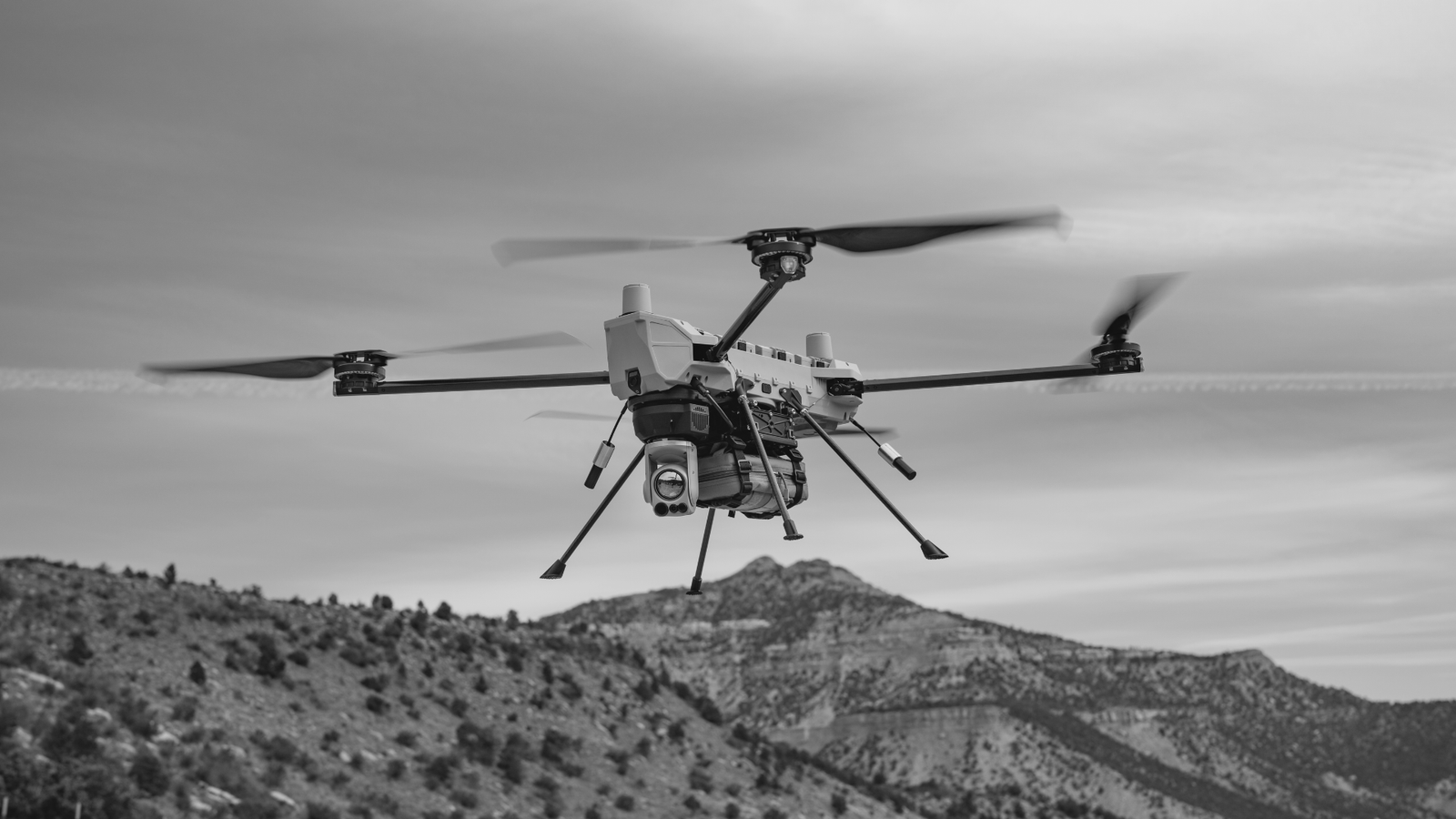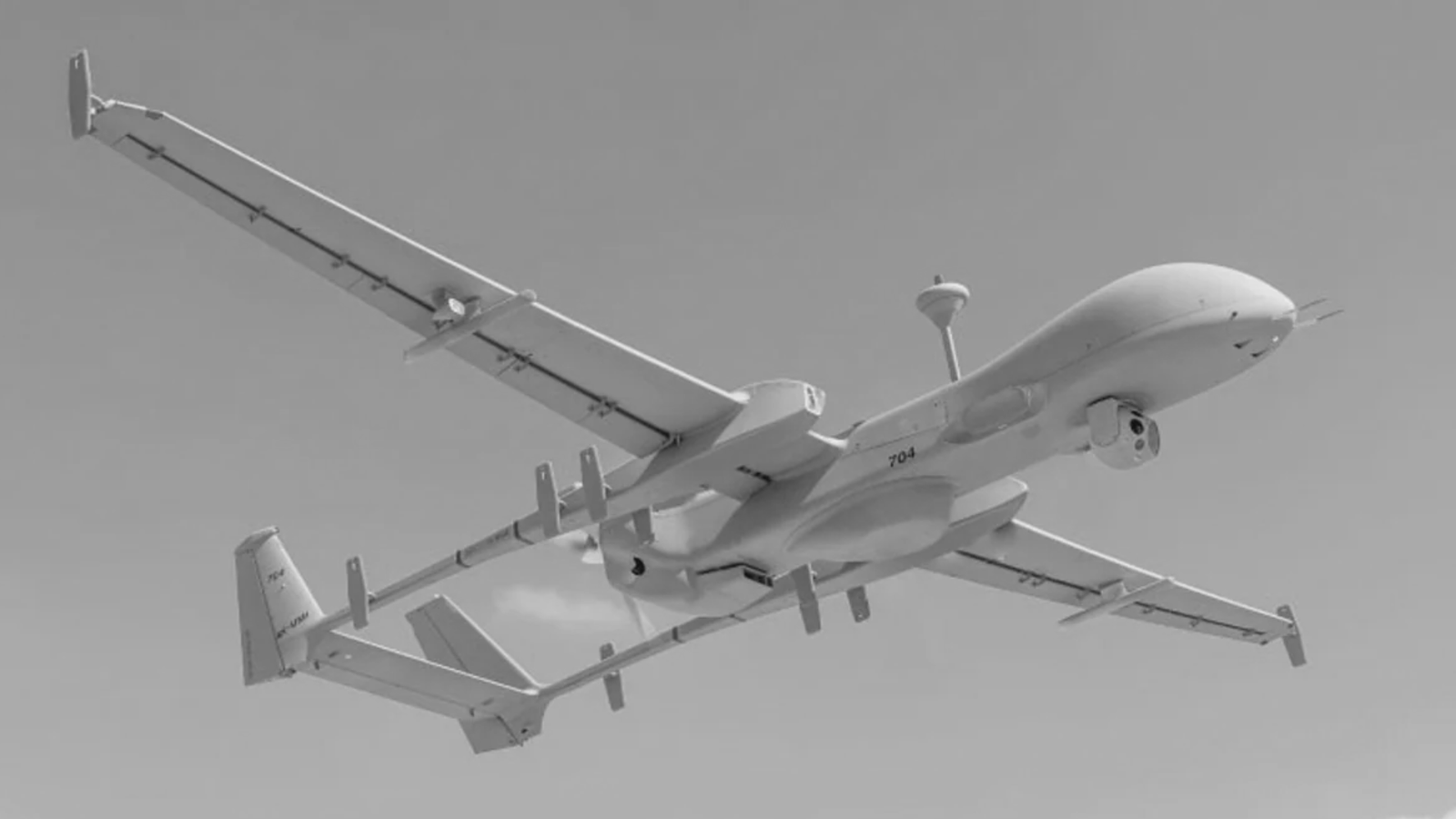

India's ₹2.12 Lakh Crore Defence Procurement: Why Drones and Counter-Drone Systems Are Taking Priority
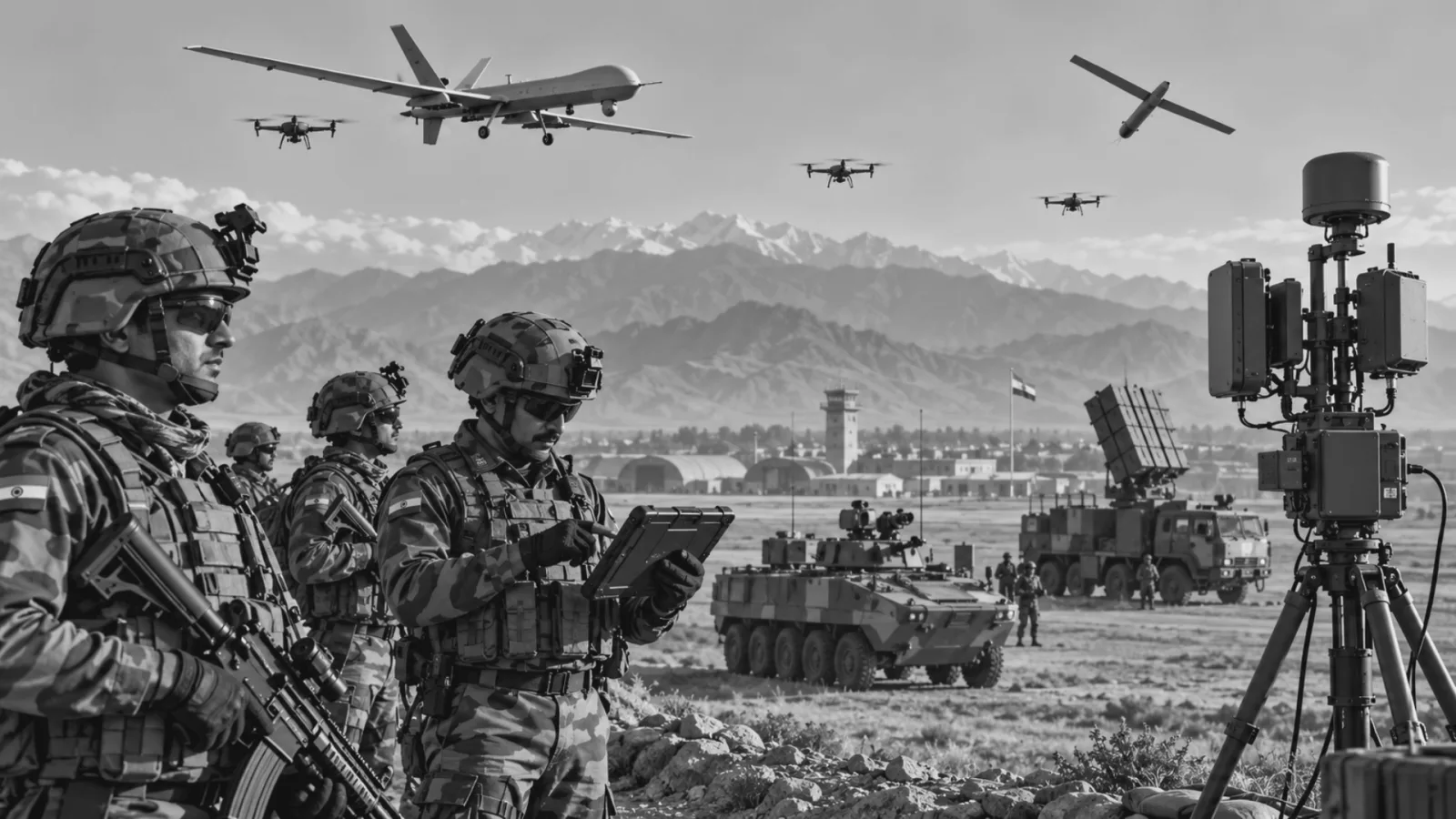
On 26 October 2026, India's Defence Acquisition Council (DAC), chaired by Defence Minister Rajnath Singh, granted Acceptance of Necessity (AoN) for capital acquisition proposals worth approximately ₹2.12 lakh crore. The approvals encompass conventional military platforms, helicopters, artillery, naval systems, air defence equipment and an extensive range of unmanned technologies. Notably, the Indian Army's proposed acquisitions include long-range kamikaze drones, surveillance UAVs, integrated surveillance-strike systems, platform-based counter-unmanned aerial systems (C-UAS) and Very Short-Range Air Defence Systems (VSHORADS).
Although the government has not disclosed how much of the approved value is specifically allocated to unmanned technologies, their prominence across the acquisition categories suggests a significant shift in India's military modernisation priorities.
The development follows lessons from Operation Sindoor in May 2025, the continuing Russia–Ukraine war and the Indian Army's revised Land Warfare Doctrine, released on 23 October 2026.
CNAWS assesses that India's emerging procurement strategy reflects a transition from acquiring individual weapon platforms towards developing an integrated reconnaissance-strike-defence architecture. However, its effectiveness will depend on interoperability, indigenous technological capabilities, rapid procurement cycles and the ability to sustain operations in electronically contested environments.
1. Development: DAC Clears ₹2.12 Lakh Crore in Defence Acquisitions
On 26 October, the Defence Acquisition Council accorded in-principle administrative approval to defence procurement proposals amounting to approximately ₹2,12,000 crore. The approvals cover requirements of the Indian Army, Indian Navy and Indian Air Force, with approximately 82 per cent of the proposed procurements intended to be sourced from Indian industry.¹ The Army's approved requirements include High Mobility Vehicles, Self-Propelled Tracked Gun Systems, Gun Shot Response Systems, Light Multi Role Helicopters, VSHORADS, platform-based counter-UAS, long-range unmanned aerial systems, surveillance UAVs, integrated surveillance-strike systems and long-range kamikaze drones. For the Indian Navy, the DAC approved Active Offboard Decoy Systems and other major naval platforms. The decoy systems are intended to strengthen protection against modern anti-ship missiles, while the proposed indigenous naval platforms will expand maritime combat capabilities. The Indian Air Force received approvals for helicopters, air defence systems, weapons and mobile X-Band Doppler Weather Radar Systems, among other requirements. The Ministry of Defence has not disclosed individual programme costs, equipment quantities, contractors or delivery schedules. Consequently, the ₹2.12 lakh crore figure represents the estimated collective value of proposals receiving AoN, not expenditure already committed through signed procurement contracts.² Nevertheless, the inclusion of offensive drones, battlefield surveillance systems and counter-drone technologies within the same acquisition package indicates how unmanned systems are becoming integral to conventional military operations.
2. From Operation Sindoor to the New Land Warfare Doctrine
India's emphasis on unmanned systems cannot be examined independently of recent operational developments. During Operation Sindoor in May 2025, India and Pakistan employed drones, missiles, air defence systems and electronic warfare capabilities during their military confrontation. On 8 May, the Indian government reported that Pakistani drones and missiles had targeted multiple military locations across northern and western India, including Jammu, Srinagar, Pathankot and several airbases. According to the Ministry of Defence, an integrated counter-UAS grid and other air defence systems were employed to neutralise these threats.³
The confrontation underscored the importance of simultaneously maintaining offensive precision-strike capabilities and defending military infrastructure against unmanned aerial attacks. In July 2025, then Chief of Defence Staff General Anil Chauhan highlighted the operational value of indigenous UAVs and counter-UAS systems during Operation Sindoor. He called for a comprehensive counter-drone network integrating radars, sensors, electronic jammers, directed-energy weapons and coordinated command-and-control infrastructure.⁴
India's subsequent procurement decisions reflect a broader institutional response. On 3 July 2026, the DAC had already approved proposals worth approximately ₹52,000 crore, including the AKASH TARANG anti-UAV electronic warfare system, VSHORADS, active protection systems for tanks and jet-based kamikaze drones.⁵ The latest approvals therefore represent a continuation of an evolving capability-development programme rather than an isolated procurement decision.
Importantly, the approvals followed the release of the Indian Army's revised Land Warfare Doctrine on 23 October. The doctrine emphasises preparation for emerging battlefield conditions, while Defence Minister Rajnath Singh specifically identified artificial intelligence, autonomous systems, secure communications and multidomain operational integration as priorities.⁶ The close timing of these developments suggests growing alignment between India's emerging military doctrine and its procurement priorities.
3. Why Integrated Surveillance-Strike Systems Matter More Than Individual Drones
One of the most significant elements of the approvals is the proposed Integrated Surveillance and Strike System. Traditionally, battlefield reconnaissance, target identification, command decisions and engagement have frequently involved multiple platforms and command structures operating through separate information channels. The proliferation of inexpensive drones and advanced sensors is changing this relationship. A surveillance UAV may identify an emerging battlefield threat, but the operational advantage depends on whether that information can be accurately verified, transmitted and converted into an appropriate response before its relevance diminishes.
The concept of an integrated surveillance-strike architecture therefore extends beyond the acquisition of reconnaissance drones. It requires connectivity between airborne sensors, ground surveillance systems, command networks, artillery, precision weapons and other authorised response mechanisms. The proposed long-range kamikaze drone systems add another potential dimension to this architecture. Unlike reusable surveillance UAVs, kamikaze drones or one-way attack systems are designed to engage targets by expending the platform itself. Certain loitering-munition categories also permit observation before engagement, although specific capabilities depend on the system concerned.
When integrated into a broader surveillance network, these technologies could provide Indian formations with additional precision-engagement options while reducing reliance on manned aircraft for some missions. However, integration cannot be assumed merely because related systems appear in the same procurement announcement. The decisive capability will be the military's ability to connect detection, identification, decision-making and engagement into a reliable operational network rather than accumulating disconnected drone fleets.
4. Counter-Drone Protection: The Emerging Vulnerability of Armoured Warfare
The approval for platform-based counter-UAS systems is particularly significant because the Ministry of Defence explicitly linked their procurement to improving tank survivability. The Russia–Ukraine war has demonstrated that armoured vehicles operating in drone-saturated environments face persistent surveillance and repeated attack threats. Unmanned platforms have complicated traditional concepts of concealment and manoeuvre by making it easier to observe vehicle movements, identify exposed formations and monitor logistics. Research by the Royal United Services Institute (RUSI) indicates that contemporary combined-arms operations increasingly require layered counter-drone protection, electronic warfare, distributed sensors and coordinated air defence.⁷
India's proposed platform-based C-UAS capability could help address this vulnerability. Such systems may incorporate detection technologies, electronic countermeasures or other defensive mechanisms, although the precise architecture approved by the DAC has not been publicly detailed. Their effectiveness would depend on several factors, including reliable threat detection, the ability to distinguish hostile drones from friendly platforms, performance under electronic interference and integration with existing vehicle protection systems. The proposed VSHORADS acquisitions complement this requirement by providing another layer against low-altitude aerial threats.
However, not all drones present identical signatures or vulnerabilities. A defensive architecture suitable for relatively large one-way attack UAVs may not provide equivalent protection against small, low-flying tactical drones. Consequently, counter-drone protection cannot be reduced to the procurement of a single jammer or interceptor.
5. Lessons from Ukraine: The Economics of Drone Warfare
The Russia–Ukraine war has fundamentally changed the economics of battlefield surveillance and aerial engagement. Relatively inexpensive unmanned platforms can impose disproportionate operational costs on conventional military formations. The challenge becomes particularly serious when defending forces must expend comparatively expensive interceptors against numerous low-cost threats. Ukraine has responded by expanding the use of specialised interceptor drones. Reporting published by Defense News in March 2026 described Ukraine's employment of relatively inexpensive interceptor UAVs against Russian one-way attack drones, demonstrating how lower-cost defensive technologies can change the economics of aerial interception.⁸
This has important implications for India's proposed counter-drone architecture. Expensive missile-based air defence remains essential against aircraft, cruise missiles and other high-value aerial threats. However, relying exclusively on such systems against inexpensive drones risks creating an unsustainable cost imbalance. A layered defensive system would therefore need different engagement options suited to different classes of aerial threats. At the same time, drones should not be interpreted as replacements for every conventional military capability. RUSI analyst Justin Bronk has warned that excessive dependence on unmanned platforms may weaken combined-arms effectiveness, particularly as adversaries develop more sophisticated electronic warfare and counter-UAS systems.⁹ The Indian DAC's simultaneous approval of artillery, mobility systems, helicopters and drones is therefore strategically relevant. It indicates continued investment in conventional military capabilities alongside unmanned technologies rather than their wholesale substitution.
6. India's Two-Front Security Challenge
India's evolving defence requirements must also be understood within its distinct geographical and strategic environment. Along the western front, Pakistan's demonstrated employment of drones and missiles during the May 2025 confrontation reinforces the importance of low-altitude surveillance, counter-UAS protection and resilient air defence. Along the northern front, military planners must consider difficult terrain, unpredictable weather, restricted logistics and the possibility of technologically sophisticated threats.
The characteristics of high-altitude operations may impose additional constraints on unmanned systems, including reduced payload performance, limited endurance and difficulties in maintaining reliable communications. Moreover, China possesses substantial capabilities in unmanned systems, electronic warfare, military sensors and networked command structures. These capabilities form part of the broader technological environment in which India's future military systems must operate. Nevertheless, it would be analytically premature to conclude that the latest DAC approvals are specifically directed against either China or Pakistan. The Ministry of Defence has not publicly attributed individual acquisition categories to particular adversaries.
The more defensible assessment is that India is developing capabilities applicable across several potential operational environments. This also places considerable importance on designing systems that can function in different geographical conditions without imposing excessive maintenance or logistical burdens.
7. The Industrial Challenge: Can India Manufacture Drone Warfare at Scale?
The announcement that approximately 82 per cent of the approved procurements will be sourced from Indian industry is strategically significant. However, domestic manufacturing does not automatically establish complete technological independence. Modern unmanned systems depend on components and technologies including propulsion units, sensors, electronics, communication links, navigation systems and control software. Vulnerabilities within these supply chains can affect production capacity, maintenance and technological adaptability. During an Indian Air Force industry outreach programme on 21 October 2026, the service identified indigenous propulsion, autonomous software, resilient navigation and standardised interfaces as critical technological priorities. The programme built upon the IAF's Unmanned and Autonomous Systems Roadmap released during Dronathon 2026.¹⁰
This is particularly important because unmanned technologies evolve faster than many conventional defence platforms. A drone considered operationally advanced at the time of procurement may face new threats or technological limitations before it reaches large-scale deployment. A July 2026 discussion document published by the Takshashila Institution identified this challenge and proposed more flexible procurement and service-based approaches for rapidly evolving tactical drones.¹¹ The Defence Minister's call for Aatmanirbharta 2.0 at SWAVLAMBAN 2026 further emphasised advanced research, domestic technological capabilities and resilient supply chains.¹²
For India, the challenge is therefore twofold: establishing the industrial capacity to manufacture unmanned systems at scale while retaining the ability to upgrade them throughout their operational lives. Without such flexibility, procurement quantities alone may provide an incomplete measure of military preparedness.
8. CNAWS Analytical Assessment
The latest DAC approvals indicate three important developments in India's military modernisation trajectory.
First, unmanned systems are moving from supplementary battlefield assets towards integral components of conventional military operations. Surveillance UAVs, loitering munitions and integrated strike systems are increasingly relevant to reconnaissance, targeting and precision engagement. Their inclusion alongside artillery and mobility platforms suggests growing institutional recognition of this relationship.
Second, counter-drone warfare is emerging as an essential element of force protection. The explicit prioritisation of platform-based C-UAS for tanks indicates awareness that conventional armoured formations require protection against persistent aerial surveillance and attack. However, procuring counter-drone equipment without integrating it into wider air defence and command networks could restrict its operational value.
Third, the principal challenge is shifting from technology acquisition to operational integration and adaptability. India is developing domestic drone capabilities and expanding its acquisition ambitions, but effective employment will depend on secure communications, interoperability, operator training, electronic warfare resilience and sustainable production.
These developments are consistent with a wider shift in military thinking towards combining precision effects, persistent surveillance and distributed defensive capabilities. Nevertheless, the scale of the announcements should not be confused with immediate operational capability. The DAC has granted Acceptance of Necessity, and subsequent procurement stages—including technical assessment, vendor selection, commercial negotiations and contract approvals, as applicable—must still be completed. Actual capability gains will depend on the successful conclusion of these processes and eventual induction.
Outlook: What Should Be Monitored Next?
The most important indicators will be the conversion of AoNs into signed contracts, the identification of selected systems and manufacturers, delivery schedules, and evidence of operational integration. Particular attention should be paid to whether the Army's surveillance-strike systems are interoperable with existing command networks; whether tank-focused C-UAS equipment can operate effectively under electronic interference; and whether domestic manufacturers can sustain production, repairs and software upgrades at scale. Further announcements regarding common technical standards, joint exercises and realistic counter-drone testing would provide stronger evidence of progress than procurement values alone.
Conclusion
India's ₹2.12 lakh crore defence procurement approvals reflect a broader military transformation shaped by the experience of recent conflicts and the increasing importance of unmanned warfare. The simultaneous inclusion of surveillance UAVs, long-range kamikaze drones, integrated surveillance-strike systems, counter-UAS technologies and conventional military platforms suggests that India is attempting to strengthen both its offensive and defensive capabilities within a more technologically integrated force structure. However, the decisive measure of this transformation will not be the number of drones acquired or the financial value of approved proposals. India's future battlefield advantage will depend on how effectively it combines unmanned systems, conventional firepower, electronic warfare, command networks and layered air defence into a coherent and adaptable military architecture. The latest DAC approvals represent an important statement of procurement priorities. Turning those priorities into reliable battlefield capabilities will be the more consequential test.
Endnotes
Ministry of Defence, Government of India, “DAC Clears Capital Acquisition Proposals Worth Rs 2.12 Lakh Crore for Defence Forces,” Press Information Bureau, October 26, 2026, https://www.pib.gov.in/PressReleasePage.aspx?PRID=2328486.
Reuters, “India Approves in Principle $22 Billion in Military Purchases,” October 26, 2026, https://www.reuters.com/world/india/india-approves-principle-22-billion-military-purchases-2026-10-26/.
Ministry of Defence, Government of India, “Pakistan's Bid to Escalate Negated—Proportionate Response by India,” Press Information Bureau, May 8, 2025, https://www.pib.gov.in/PressReleasePage.aspx?PRID=2127670.
Ministry of Defence, Government of India, “Operation Sindoor Demonstrated Operational Effectiveness and Strategic Value of Indigenous Unmanned Aerial Vehicles & Counter-Unmanned Aircraft Systems, Says Chief of Defence Staff,” Press Information Bureau, July 16, 2025, https://www.pib.gov.in/PressReleasePage.aspx?PRID=2145420.
Ministry of Defence, Government of India, “DAC Approves Capital Acquisition Proposals Worth Rs 52,000 Crore to Enhance Combat Readiness of Defence Forces,” Press Information Bureau, July 3, 2026, https://www.pib.gov.in/PressReleasePage.aspx?PRID=2280728.
Ministry of Defence, Government of India, “Need to Operate with Long-Term Strategic Vision and Remain Equally Prepared to Respond to Immediate & Emerging Challenges: Raksha Mantri to Army Commanders,” Press Information Bureau, October 23, 2026, https://www.pib.gov.in/PressReleaseIframePage.aspx?PRID=2327474.
Jack Watling, “Emergent Approaches to Combined Arms Manoeuvre in Ukraine,” Royal United Services Institute, October 23, 2025, https://www.rusi.org/explore-our-research/publications/insights-papers/emergent-approaches-combined-arms-manoeuvre-ukraine.
Katie Livingstone, “Novel Interceptor Drones Bend Air-Defense Economics in Ukraine's Favor,” Defense News, March 5, 2026, https://www.defensenews.com/global/europe/2026/03/05/novel-interceptor-drones-bend-air-defense-economics-in-ukraines-favor/.
Justin Bronk, “NATO Should Not Replace Traditional Firepower with ‘Drones,’” Royal United Services Institute, August 4, 2025, https://www.rusi.org/explore-our-research/publications/rusi-defence-systems/nato-should-not-replace-traditional-firepower-drones.
Ministry of Defence, Government of India, “Indian Air Force Engages Industry Outreach Programme on Unmanned and Autonomous Systems Roadmap on 21 Oct 26,” Press Information Bureau, October 21, 2026, https://www.pib.gov.in/PressReleseDetailm.aspx?PRID=2326184.
Adya Madhavan and Vikrant Shinde, “Accelerating Tactical Drone Procurement for India: Outpacing Obsolescence with a Service-Based Approach,” Takshashila Institution, July 22, 2026, https://takshashila.org.in/content/publications/20260722-accelerating-tactical-drone-procurement-for.html.
Ministry of Defence, Government of India, “Raksha Mantri Calls for ‘Aatmanirbharta 2.0’, Next Leap in Defence Self-Reliance, at SWAVLAMBAN 2026,” Press Information Bureau, October 26, 2026, https://www.pib.gov.in/PressReleseDetailm.aspx?PRID=2328590.
Tags

Author