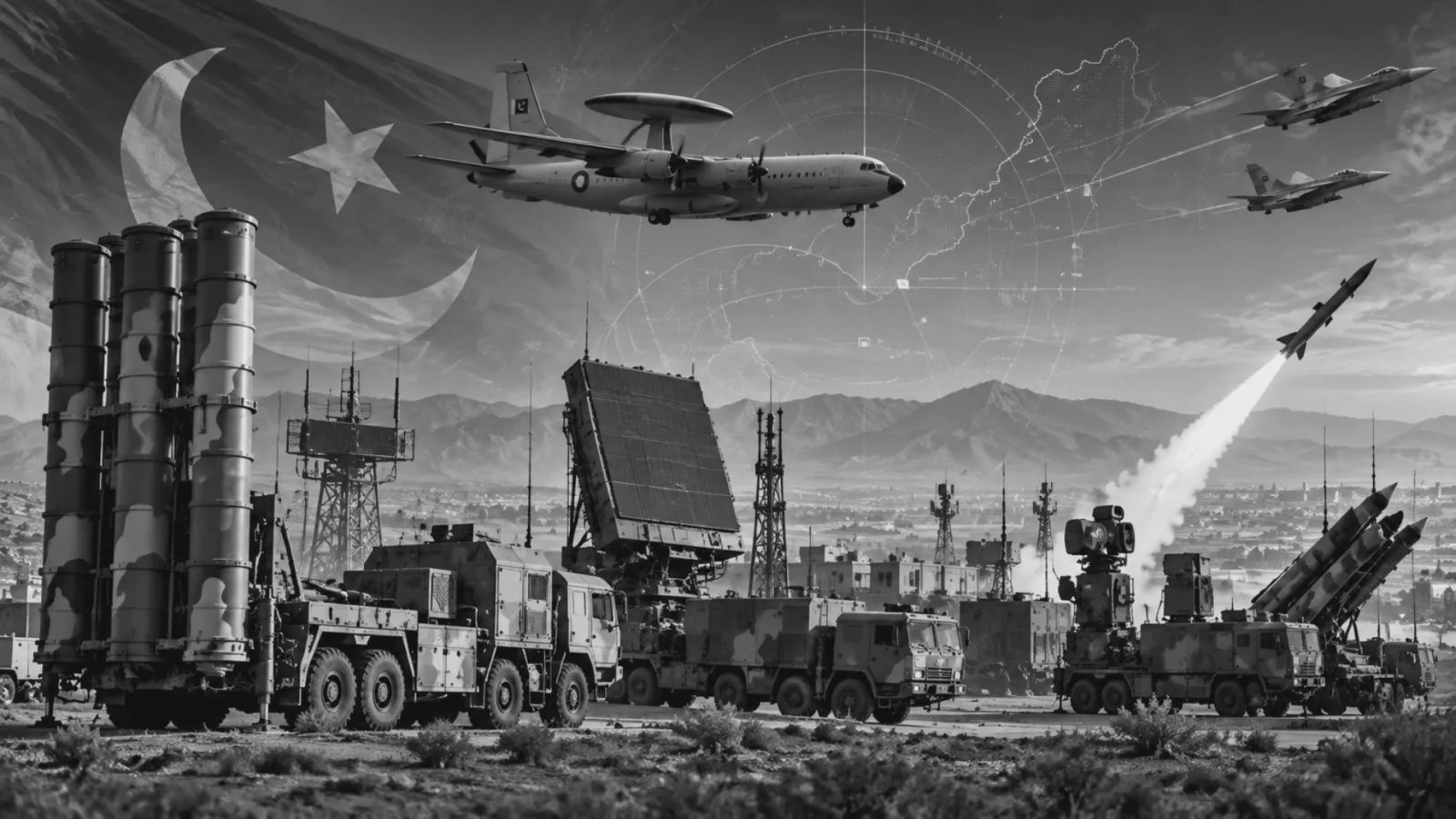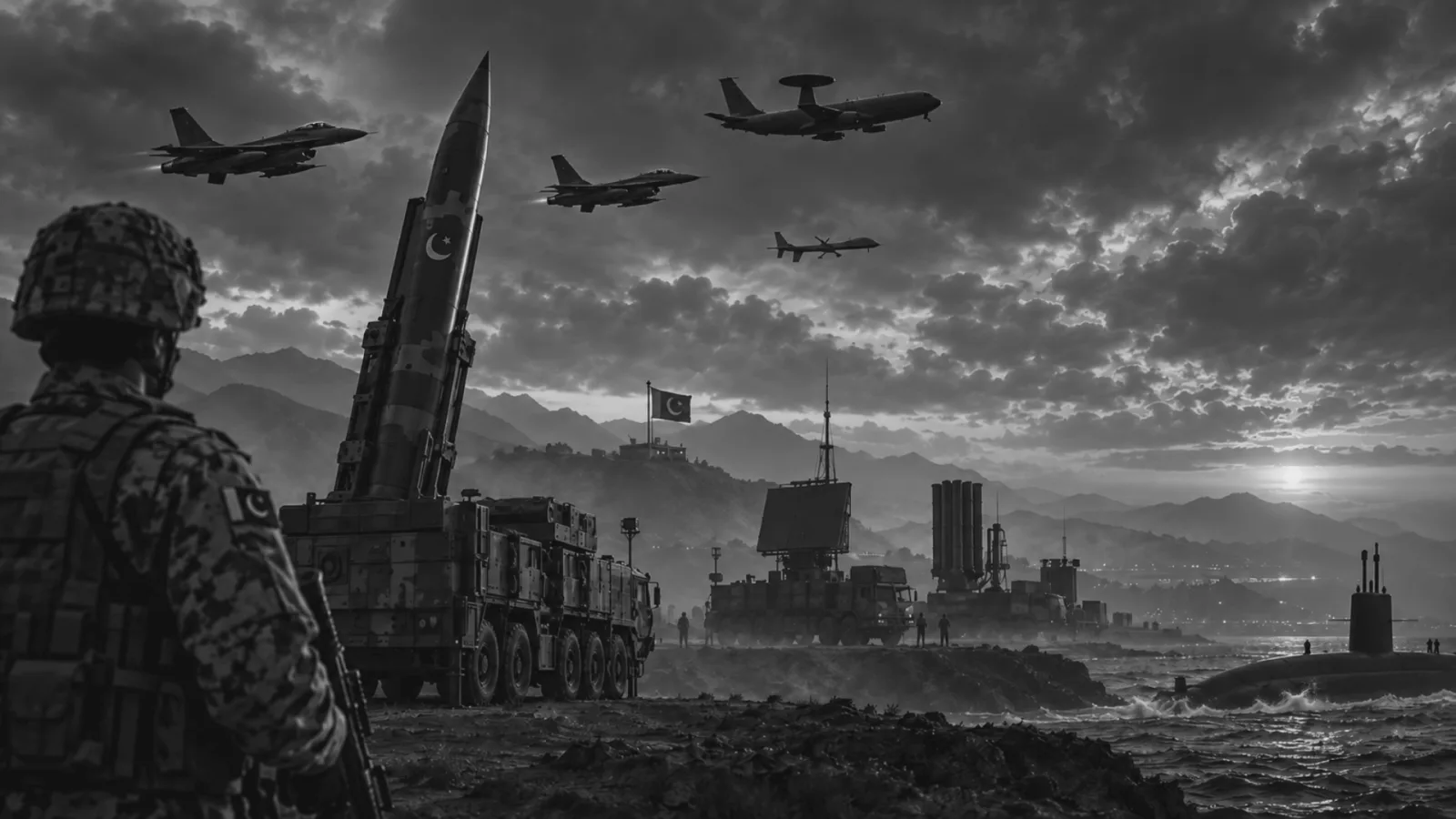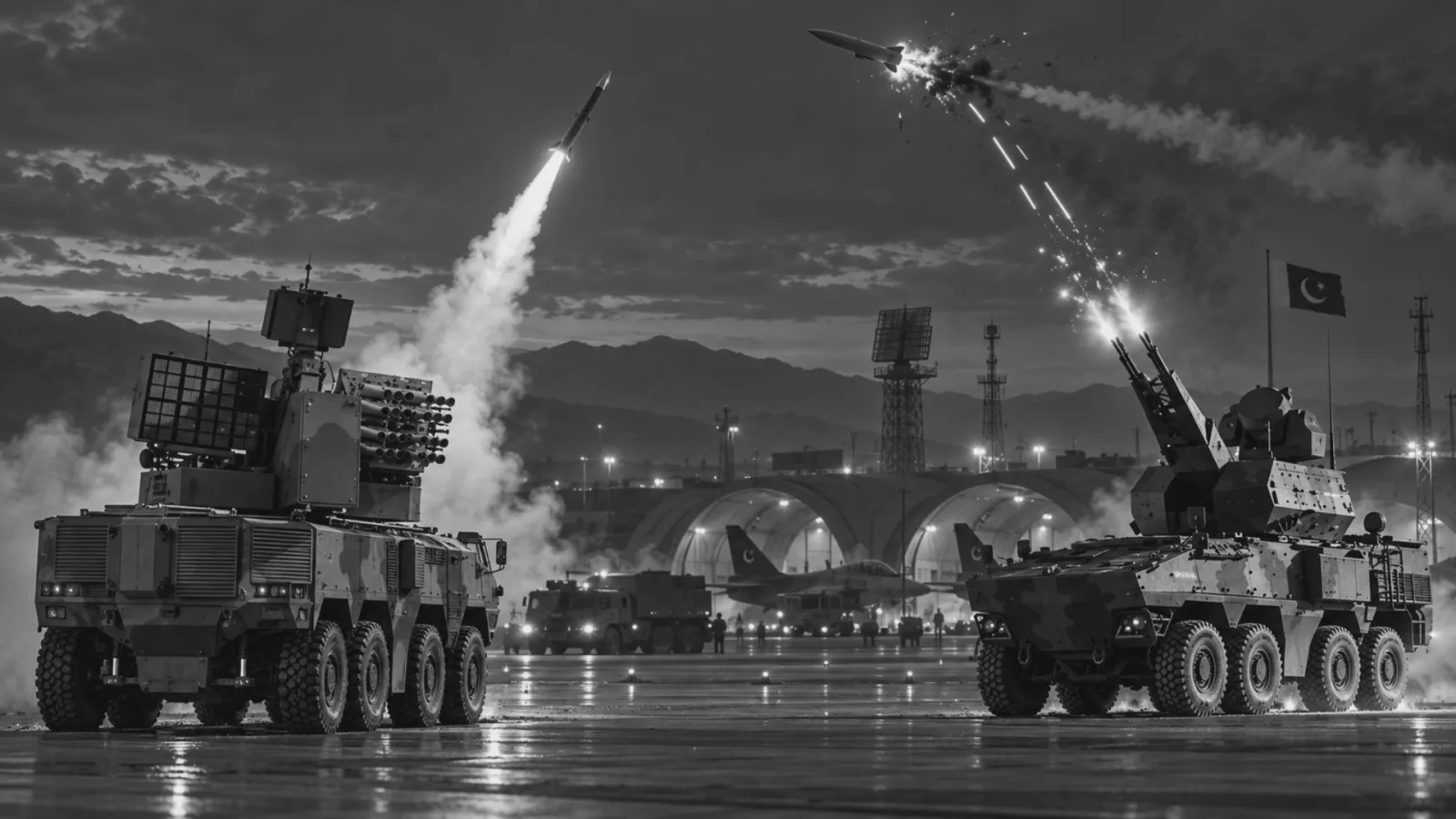

India’s Pralay Missile: Reshaping Conventional Deterrence Against China and Pakistan
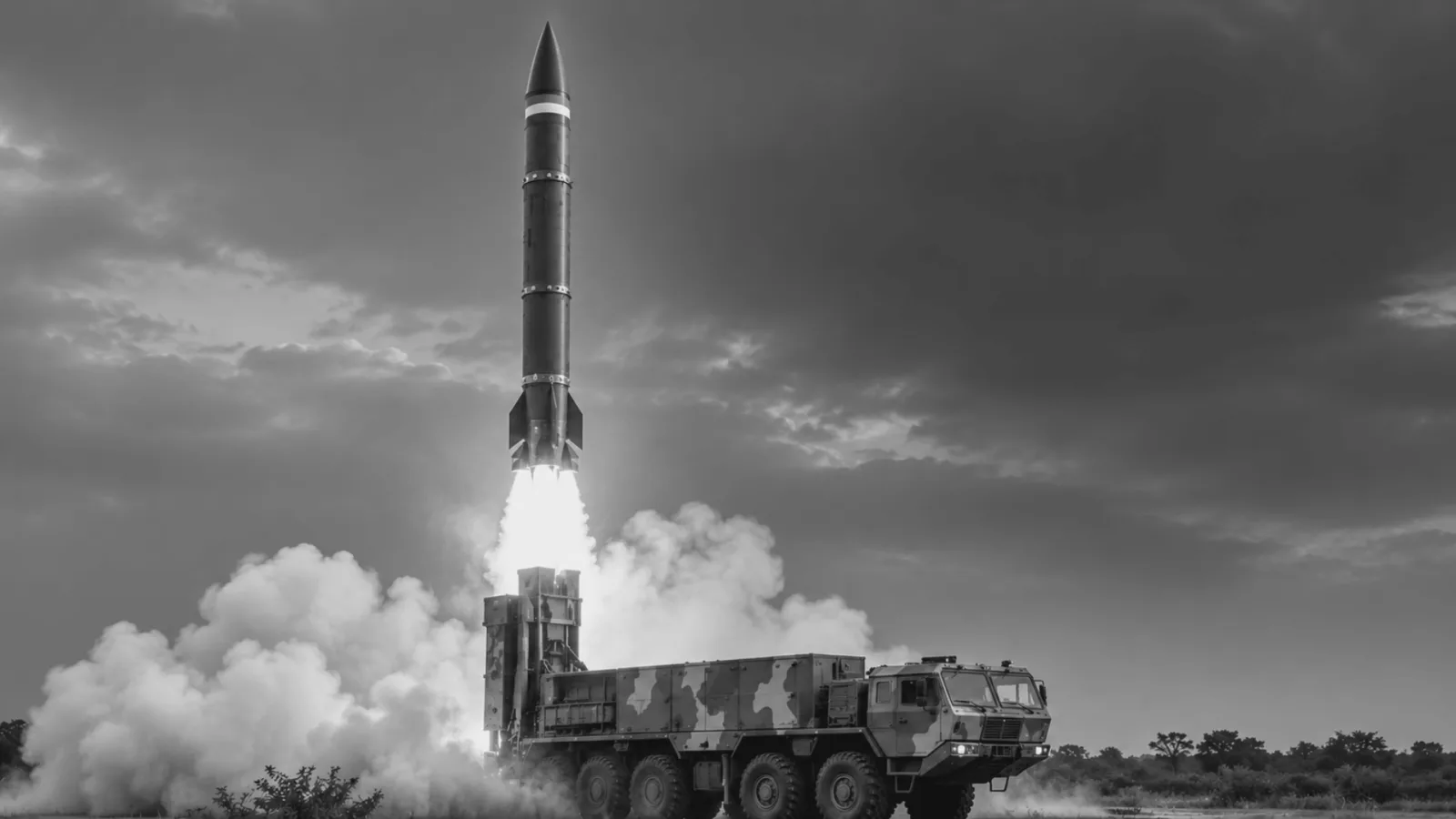
India's successful flight test of the Pralay quasi-ballistic missile on 5 November 2026 marks an important milestone in the evolution of its conventional military capabilities. The Defence Research and Development Organisation (DRDO) confirmed that the missile met all designated test objectives during user evaluation trials conducted from Dr APJ Abdul Kalam Island in Odisha. The Ministry of Defence subsequently described its induction into the armed forces as imminent. The test follows earlier evaluations in July 2025, which examined its minimum and maximum range capabilities, and a December 2025 trial involving the successful launch of two missiles in quick succession from the same launcher. Together, these developments indicate that Pralay is progressing beyond technological validation towards an operational capability, although its full deployment status, inventory strength and operational readiness remain publicly unconfirmed.¹
The strategic importance of Pralay, however, cannot be understood merely through its reported range of 150 to 500 kilometres, manoeuvrable flight profile or capacity to carry conventional warheads. Its relevance emerges from a larger transformation in the character of warfare along India's continental frontiers. Both China and Pakistan have developed substantial capabilities to contest Indian air operations, strike military infrastructure from considerable distances and sustain operations through increasingly sophisticated command, surveillance and logistical networks. In such an environment, conventional superiority cannot be measured exclusively through troop strength, combat aircraft or artillery. The ability to disrupt an adversary's military system before that system can fully translate its resources into battlefield power has become an increasingly consequential component of operational advantage.
Pralay is significant because it potentially gives India another means of imposing such disruption without depending exclusively on combat aircraft or drawing upon ballistic missiles reserved for strategic nuclear missions. It offers the possibility of attacking an adversary's conventional military capabilities while maintaining a distinct conventional force posture. This distinction could widen India's military choices during a crisis, particularly when political decision-makers seek a response stronger than artillery or limited aerial strikes but short of a general war. Yet the mere possession of conventional ballistic missiles does not automatically establish escalation control. Their employment against another nuclear-armed state introduces uncertainties concerning intent, targeting and the interpretation of missile launches, which must be addressed as carefully as the weapons' technical performance.²
The central argument of this assessment is that Pralay's greatest strategic contribution will not come from the destruction achievable by an individual missile. It will come from India's ability to integrate a credible conventional missile force into a broader system of deterrence, intelligence, air power and joint military operations. Against Pakistan, such a force could strengthen India's options for limited conventional retaliation and impose greater costs on military escalation. Against China, it could help challenge aspects of the People's Liberation Army's operational superiority along the Line of Actual Control, particularly its ability to mobilise and sustain forces through an extensive infrastructure network. Neither outcome is automatic. Both will depend on target intelligence, the scale of deployment, survivability, force integration and India's political willingness to employ these capabilities.
1. Why Pralay Represents a Doctrinal Shift Rather Than Another Missile Acquisition
India's missile development has historically been shaped by two broad requirements. The first was the establishment of a credible strategic deterrent through nuclear-capable ballistic missiles, represented most prominently by the Agni family. The second involved developing conventional precision-strike capabilities for battlefield and operational requirements, including artillery rockets, guided weapons and the BrahMos supersonic cruise missile. These capabilities have progressively strengthened India's military options, but they have not always provided the same combination of responsiveness, flight characteristics, reach and conventional command arrangements associated with dedicated short-range ballistic missile forces.
Pralay begins to address part of that problem. Although ballistic missiles have long been central to India's strategic deterrent, their association with nuclear delivery has imposed political and doctrinal constraints on their use in conventional conflicts. Developing a missile intended for conventional military employment creates the possibility of separating operational battlefield strike requirements from the nuclear deterrent structure. The International Institute for Strategic Studies identified this distinction in its 2022 assessment of Pralay, arguing that a conventionally armed ballistic missile could provide new military options while simultaneously creating questions about how China and Pakistan would interpret India's willingness to employ ballistic missiles in conflict.³
The distinction matters because deterrence is not simply the possession of weapons capable of inflicting destruction. It also depends on the adversary's assessment of whether those weapons can plausibly be employed under the circumstances of a particular crisis. India's nuclear forces provide protection against extreme threats but are not credible instruments for answering every conventional provocation. Combat aircraft offer flexible conventional strike options, yet their employment can expose pilots and aircraft to adversary air defences and require carefully coordinated operations. A dedicated conventional missile force could occupy an intermediate position by giving political and military leadership the option of imposing substantial military costs without immediately committing manned aircraft to contested airspace.
This is not the creation of an entirely new escalation threshold that India can cross without consequences. Rather, it is an attempt to develop greater flexibility within existing conventional thresholds. The distinction is important. A missile strike on a military facility can still produce severe political repercussions, particularly if the adversary interprets the attack as preparation for a wider campaign. Nevertheless, an established conventional missile force could provide India with an additional instrument for signalling military resolve, responding to aggression and imposing operational costs in a controlled manner. Whether the resulting conflict remains limited would depend as much on the political objectives and interpretation of the strike as on the technical characteristics of Pralay.
At a deeper level, this transformation reflects a movement away from understanding long-range firepower primarily as support for manoeuvring ground formations. A modern conventional missile force can influence events far beyond the immediate battlefield by contesting the infrastructure and military functions upon which an adversary depends. The Manohar Parrikar Institute for Defence Studies and Analyses has previously argued that an integrated rocket force would strengthen India's non-contact warfare capabilities and contribute to deterrence along the northern frontier. The doctrinal implication is substantial. India's conventional missiles could increasingly become instruments for shaping an entire theatre of operations rather than merely providing fire support to formations already engaged in combat.⁴
2. Tactical Implications: Changing the Relationship Between Distance, Protection and Firepower
At the tactical level, Pralay introduces a different form of precision firepower into the Indian military's inventory. Conventional artillery and rocket systems provide indispensable support to ground formations, but their effectiveness is constrained by range, ammunition characteristics and the accessibility of targets. Combat aircraft can extend the reach of precision strikes considerably, although their employment must account for air defence threats, sortie generation and available airfields. Pralay provides an additional ground-launched option that combines substantial reach with the short flight times and high terminal velocities associated with ballistic missile technology. Its reported quasi-ballistic trajectory, which permits deviations from a conventional ballistic flight path, is particularly relevant because defensive systems must contend with a fast-moving target whose precise trajectory may be more difficult to predict.
This characteristic potentially reduces the time available for an adversary to detect, classify and respond to an incoming attack. Modern air defence systems are designed to intercept certain ballistic missile threats, and Pralay should not be regarded as inherently immune to interception. Nevertheless, the combination of speed, manoeuvrability and a comparatively compressed defensive engagement window could complicate interception efforts. The distinction between complicating an interception and defeating an air defence system is essential. Evidence from the Russia-Ukraine war demonstrates that manoeuvring ballistic missiles can impose serious difficulties on advanced defensive systems, but actual interception outcomes depend on multiple variables, including defensive coverage, interceptor availability and the circumstances of individual engagements.⁵
Pralay could also contribute to a change in the tactical understanding of protected military infrastructure. Military installations situated beyond the reach of conventional artillery have traditionally enjoyed a degree of geographical protection, although they may remain vulnerable to aircraft, drones and cruise missiles. A ground-launched missile capable of accurately striking targets several hundred kilometres away weakens the assumption that distance from the immediate battlefield necessarily provides security. This could compel adversaries to devote greater resources to protecting military infrastructure, dispersing equipment and maintaining alternative facilities. The value of such a capability is not confined to whether a missile is actually launched. If its credible presence forces an adversary to redistribute defensive resources or alter operational behaviour, it can generate military advantages without an engagement occurring.
However, Pralay's destructive potential must not be confused with its ability to eliminate every category of military target. A conventional missile can damage an exposed facility, but the military significance of that damage depends on the target's construction, redundancy and recovery arrangements. A temporarily damaged runway, for example, does not necessarily render an airbase inoperative for the remainder of a conflict. Hardened facilities may require different effects from exposed infrastructure, while dispersed mobile systems may be difficult to locate before they move. These limitations illustrate why the operational effect of a precision missile cannot be inferred merely from its claimed accuracy or warhead weight. The relevant question is whether the strike produces a meaningful interruption in the adversary's military activity.
The missile's mobility is equally important. A ground-launched weapon that can be relocated offers advantages in survivability and complicates adversary efforts to monitor a fixed launch position. Yet mobility does not eliminate vulnerability. Missile units remain dependent on communications, maintenance, transportation, security and ammunition replenishment. The effectiveness of an operational missile formation therefore depends on far more than launcher performance. Its ability to maintain a functioning support system during sustained hostilities will influence whether it provides a persistent threat or merely a limited opening-strike capability.
3. Operational Implications: From Destroying Targets to Disrupting Military Systems
The greatest military value of Pralay may become apparent at the operational level, where the objective extends beyond engaging individual targets to influencing the conduct of a larger campaign. Modern military formations rely on interconnected systems of surveillance, command, communications, transportation, logistics and air defence. The destruction of a particular military facility may have only a limited effect when considered in isolation. Its disruption can become considerably more consequential when it interferes with the movement of reinforcements, availability of air support or coordination of several formations. This is the distinction between employing precision missiles as individual weapons and incorporating them into a broader operational concept designed to reduce an adversary's ability to generate and sustain combat power.
The relevance is particularly pronounced in the context of India's continental military geography. On both the northern and western fronts, an adversary's ability to sustain military operations depends partly on infrastructure and supporting capabilities located beyond the immediate battlefield. Pralay could expand India's capacity to contest those supporting systems through conventional means. Instead of relying solely on the destruction of forward combat formations, India could potentially impose costs on the broader military architecture that allows those formations to operate effectively. Such a capability could make offensive operations more difficult to sustain and strengthen India's ability to deny an adversary rapid operational gains. The Delhi Policy Group has similarly emphasised the importance of precision missile forces for conventional deterrence and the disruption of an adversary's capacity to conduct operations.⁶
There is, however, an important difference between the ability to reach an operational target and the ability to generate a decisive operational effect. A military system can absorb damage through redundancy, dispersion, repair and the substitution of alternative facilities. A missile strike that interrupts an activity for several hours may produce an important tactical opportunity without fundamentally altering the balance of the campaign. Conversely, temporary disruption can become decisive when it prevents a critical military action at a particular stage of operations. The operational value of Pralay will therefore be determined not simply by what it destroys, but by what the adversary is prevented from doing as a consequence.
This introduces the importance of intelligence and targeting. A precise weapon cannot compensate for inaccurate information concerning its target. Fixed military infrastructure may be identifiable well before a conflict, but the operational environment becomes more complicated when dealing with mobile systems, temporary concentrations, deception and the rapid relocation of assets. Satellite imagery, airborne surveillance, electronic intelligence and other intelligence sources can contribute to maintaining an accurate operational picture. Yet detecting a target is only one part of the process. Information must be assessed, authorised and converted into a timely military decision while remaining accurate enough to support the intended effect.
India's ability to integrate missile forces with its wider intelligence and command architecture will consequently be central to Pralay's operational usefulness. An effective conventional missile force requires reliable information, resilient communications, coordinated planning and credible battle-damage assessment. Without these supporting capabilities, even technically successful missile launches may fail to achieve their wider military objectives. The missile is therefore best understood as one component of an integrated strike system rather than a self-sufficient instrument of operational superiority.
The December 2025 salvo trial adds a relevant dimension to this assessment. Demonstrating the ability to launch two missiles in quick succession from the same launcher is meaningful evidence of system development. It does not, however, establish India's capacity to conduct large-scale, sustained missile operations. Those requirements depend on the number of operational launchers, trained personnel, available missiles, logistical arrangements and the ability to replenish expenditure during a conflict.⁷
4. The Pakistan Dimension: Expanding India's Options for Limited Conventional Warfare
Pralay's significance against Pakistan must be assessed in the context of the changing relationship between conventional military operations and nuclear deterrence in South Asia. For much of the post-1998 period, Indian military planning has confronted the challenge of responding effectively to Pakistan-linked terrorism and conventional provocations without producing an uncontrollable escalation. Pakistan's nuclear capability, together with its stated willingness to consider nuclear employment under circumstances threatening vital national interests, has complicated Indian attempts to establish credible conventional retaliation. The problem is not that India lacks the military resources to inflict substantial damage. Rather, it is the difficulty of converting conventional military strength into politically usable options while managing the risks of a wider conflict.
The four-day India-Pakistan conflict of May 2025 demonstrated that both countries are increasingly prepared to employ standoff weapons during limited military confrontations. India's use of precision weapons and Pakistan's employment of drones and missiles reflected a conflict in which military infrastructure well beyond the immediate Line of Control became vulnerable to attack. Independent assessments also underline how competing claims and incomplete evidence complicated the reconstruction of events. The conflict established that the two countries possess the means to conduct geographically extensive conventional strikes, but it did not establish that future confrontations can be reliably controlled once military escalation begins.⁸
Pralay could strengthen India's position within this environment by increasing the credibility of conventional military retaliation. A dedicated missile capability would reduce dependence on any single strike platform and provide additional flexibility when confronting an adversary with a substantial integrated air defence network. Importantly, it could also complicate Pakistan's calculations concerning the geographical limits of a conventional confrontation. Military installations that would otherwise require aircraft or different classes of standoff weapons to engage could fall within the range of ground-launched conventional missiles.
Yet Pakistan is not a passive actor in this competition. In August 2025, Islamabad announced the formation of an Army Rocket Force Command intended to strengthen its conventional missile capabilities. Pakistan has also been developing the Fatah family of weapons, including the Fatah-IV land-attack cruise missile. In October 2026, Pakistan announced a test of an extended-range Fatah-IV variant, although its precise performance characteristics were not publicly disclosed. These developments indicate that Pakistan is pursuing its own capacity for standoff conventional strikes and does not intend to rely exclusively on nuclear deterrence to offset India's military advantages.⁹
Pralay and Pakistan's Fatah missile family illustrate the growing importance of ground-launched conventional strike capabilities in South Asia.
The strategic consequence is the possibility of an increasingly competitive conventional missile environment. Pralay could improve India's retaliatory options, but Pakistan's parallel investments could reduce the extent to which either side enjoys a decisive unilateral advantage. Both militaries may become more capable of threatening valuable military infrastructure while attempting to preserve the political limitations of a conventional confrontation. This could strengthen deterrence by raising the expected cost of aggression. Equally, it could produce an action-reaction cycle in which each side expands its capabilities because it fears that the other's missile force may offer an advantage during the opening stages of a conflict.
The more important implication concerns Pakistan's reliance on nuclear deterrence to influence India's conventional military choices. If India develops credible, survivable and sufficiently numerous conventional missiles, it could become more difficult for Pakistan to assume that nuclear signalling alone will discourage substantial conventional retaliation. This does not mean that Pralay neutralises Pakistan's nuclear deterrent. No conventional missile system can provide such an assurance. Instead, it adds uncertainty to Pakistan's expectations concerning India's available military options and willingness to employ them.
There is a corresponding danger. If Indian conventional missile operations threatened assets that Pakistan considered essential to the survival of its military command structure, Islamabad could interpret those attacks as something more consequential than limited retaliation. The 2025 conflict provides reason to believe that limited standoff engagements are possible, but it does not establish that the same boundaries would apply under different political circumstances or against different targets. Carnegie Endowment research on nuclear signalling in South Asian crises suggests that earlier confrontations have often been less directly nuclear than popular narratives imply. Nevertheless, it also warns that emerging technologies and counterforce capabilities could introduce more destabilising forms of military competition.¹⁰
India's strategic objective should therefore be to create a conventional missile posture capable of imposing meaningful military costs without making the destruction of Pakistan's strategic deterrent appear to be the underlying purpose. This is a demanding balance. It requires sufficient capability to deter conventional aggression while preserving a recognisable distinction between limited military operations and attacks that could be interpreted as threatening Pakistan's nuclear forces or national command structure.
5. The China Dimension: Challenging the PLA's Operational Architecture Without Matching Its Missile Arsenal
Pralay's relevance to China emerges from a fundamentally different strategic problem. Unlike Pakistan, China possesses a much larger economy, defence-industrial base, conventional missile arsenal and broader military-technological ecosystem than India. The People's Liberation Army has invested in developing integrated capabilities that combine long-range precision weapons, surveillance, air power, electronic warfare and extensive military infrastructure. India's strategic challenge is consequently not limited to preventing territorial aggression. It must also address the possibility that China could exploit its superior resources and established military networks to generate localised advantages during a confrontation along the Line of Actual Control.
Geography complicates this challenge. Chinese military operations in Tibet and the broader western theatre depend on an increasingly developed network of roads, railways, airfields, communications and logistics. These facilities strengthen the PLA's ability to move personnel and equipment, support deployed formations and sustain military operations across a difficult high-altitude environment. Research published by the Center for Strategic and International Studies in June 2025 identifies China's infrastructure expansion on the Tibetan Plateau as an important component of its wider strategy to strengthen military positioning along the Indian frontier.¹¹
Pralay could influence this operational equation by making elements of China's forward military-support architecture more vulnerable to conventional strikes. This matters because logistical superiority is not simply a question of possessing more resources. It is the ability to deliver those resources where they are required and when they are needed. In a geographically difficult environment, the availability of supporting infrastructure can become an important determinant of operational effectiveness. A credible Indian capability to threaten relevant military assets could compel the PLA to make greater investments in protection, dispersion and redundancy.
However, Pralay's reported 500-kilometre maximum range places clear limitations on what it can accomplish against China. The missile could increase India's conventional reach beyond the immediate border region, but it cannot place the entirety of the PLA's Western Theatre Command infrastructure under threat. Many important elements of China's military system are situated considerably deeper within Chinese territory. A study published by the National University of Singapore in 2026 similarly observes that India's prospective conventional missile force remains constrained in its ability to reach strategic targets deep within China's western theatre, while the PLA possesses much longer-range conventional strike capabilities.¹²
This creates an important asymmetry. China can employ a broader set of missile systems to threaten targets at greater distances, while Pralay primarily strengthens India's ability to contest a more geographically limited operational space. The missile therefore does not eliminate China's structural advantages. Its contribution lies in making the PLA's operations within particular areas more costly and less predictable. That outcome could prove strategically valuable even without India acquiring a comparable missile inventory.
The distinction between achieving military parity and complicating an adversary's operational plans is especially important. India does not necessarily need to replicate the entire Chinese missile arsenal to improve deterrence along the LAC. It needs sufficient capabilities to make limited aggression costly and to reduce confidence that China can achieve its objectives rapidly or without significant disruption. If Pralay, operating alongside other Indian capabilities, can contribute to that uncertainty, it may strengthen deterrence through denial.
There are nevertheless limits to this argument. China has extensive experience developing ballistic missile technologies and countermeasures. The PLA can also respond through improved air defence, missile operations, infrastructure hardening, deception and dispersal. Beijing may eventually regard India's expanding conventional missile capabilities as justification for strengthening its own forward military posture. In that case, an Indian attempt to improve deterrence could generate another round of competitive military adaptation.
Moreover, the military utility of a 500-kilometre-range missile does not necessarily translate into strategic coercive power over China. Even significant damage to forward military facilities may have limited influence on Beijing's broader political calculations if the Chinese leadership believes it can sustain operations, absorb losses or impose greater costs elsewhere. Pralay should therefore be assessed as a capability for improving the local conventional military balance rather than a means of overturning the overall India-China strategic asymmetry.
The broader implication is that Pralay may contribute more to deterrence by denial against China than to deterrence by punishment. Its most plausible value is in reducing the PLA's confidence that military advantages can be translated quickly into success along the disputed frontier. Its ability to impose consequences deep enough to transform Beijing's national strategic calculus is necessarily more limited.
6. Pralay, BrahMos and the Contest Against Integrated Air Defence
One of the most consequential questions concerns the relationship between Pralay and India's existing BrahMos missile capability. At first glance, the two systems appear to perform overlapping functions. Both offer substantial conventional strike reach, high speeds and the ability to engage military targets without requiring a manned aircraft to reach the target location. Their operational characteristics, however, are different enough to justify their coexistence within a broader precision-strike architecture.
BrahMos is a supersonic cruise missile designed to follow a powered flight path, while Pralay follows a quasi-ballistic trajectory. These differences influence how defensive systems detect, track and attempt to intercept incoming weapons. A defence architecture optimised to respond to one class of threat may encounter different challenges when confronting another. Their complementarity therefore lies not merely in providing India with additional missiles but in increasing the range of threat characteristics an adversary must account for.
This has relevance against both Pakistan's Chinese-origin air defence systems and China's much larger integrated air defence network. The arrival of Pralay would require adversaries to consider another form of conventional precision strike, potentially increasing demands on surveillance, command-and-control and defensive resources. The practical results, however, cannot be established without information concerning actual missile performance, adversary defensive capabilities and combat conditions.
The Russia-Ukraine war offers relevant evidence but should not be treated as a direct prediction of Pralay's effectiveness. A November 2025 assessment by the Royal United Services Institute found that Russian Iskander missiles had proved challenging for Ukrainian air defences, while also cautioning against simplistic interpretations of interception statistics. The research highlighted how engagement circumstances, defensive coverage and missile behaviour can influence outcomes. These findings support the proposition that manoeuvring ballistic missiles can complicate interception, but they do not establish that an Indian system with broadly comparable characteristics would produce identical results.¹³
A further consideration is that the suppression or degradation of an integrated air defence network rarely depends upon a single weapon. Modern air defence systems are distributed across sensors, command facilities, communications and interceptors. Some components may be mobile, while others can operate with considerable redundancy. The destruction of an individual radar or launcher does not necessarily render a network ineffective. Pralay's contribution should therefore be evaluated as part of a wider effort involving air power, electronic warfare, intelligence and other precision weapons.
This also establishes why Pralay should complement rather than substitute for BrahMos or the Indian Air Force. Missiles provide useful options for particular missions, but aircraft retain advantages in flexibility, reassessment and the ability to respond to changing circumstances. Air power can perform reconnaissance, defensive counter-air operations and other functions that a ballistic missile cannot. Conversely, ground-launched missiles provide a conventional strike option that does not expose a manned aircraft during every engagement. A balanced force structure should exploit these differences rather than treat the acquisition of missiles as evidence that aircraft are becoming redundant.
7. The Escalation Paradox: More Conventional Options Can Also Produce Greater Strategic Instability
The central strategic paradox surrounding Pralay is that a weapon intended to strengthen conventional deterrence could also increase the complexity of escalation management. The introduction of dedicated conventional ballistic missiles expands the number of military actions available to Indian decision-makers. This is desirable when it reduces the pressure to choose between restraint and disproportionate retaliation. However, it also raises the possibility that future crises could involve more extensive exchanges of conventional missiles than India and its adversaries have historically experienced.
Ballistic missile launches can create serious uncertainties for the receiving state. Depending on the warning information available, an adversary may not immediately know the missile's payload, intended target or broader military purpose. These uncertainties become particularly dangerous where conventional military installations are located near strategically sensitive assets or where command arrangements make it difficult to distinguish conventional operations from nuclear preparations.
For India, the problem differs across its two principal continental adversaries. Pakistan has moved towards establishing a dedicated conventional rocket force, potentially creating a clearer organisational distinction between conventional missile operations and its strategic deterrent. Nevertheless, this distinction does not remove the possibility that attacks against sensitive military infrastructure could be interpreted as threatening Pakistan's nuclear capabilities. Against China, the situation is potentially more complicated because the People's Liberation Army Rocket Force operates both conventional and nuclear missile systems. Although distinct command arrangements reportedly exist, shared organisational structures and dual-capable missile systems introduce additional uncertainty.¹⁴
These differences matter because the threshold for nuclear escalation is not determined by the declared characteristics of an attacking weapon alone. It is influenced by the target's importance, the perceived intentions of the attacker and the defender's understanding of the military situation. An Indian conventional missile strike intended to degrade a specific military function could be interpreted differently if the adversary believed that its broader strategic deterrent was under threat.
The strategic dilemma becomes particularly acute during a rapidly developing confrontation. Political leaders may confront incomplete information concerning the extent of damage, the adversary's intentions and the likelihood of further attacks. Both sides may perceive advantages in acting before their own military capabilities become more vulnerable. This creates the possibility of crisis instability even when neither side initially seeks a general war.
Pralay's effectiveness as a deterrent will therefore depend partly on India's ability to communicate its conventional military purpose and preserve credible distinctions between conventional and nuclear command arrangements. This requires more than public declarations about the weapon's intended warhead. Organisational practices, force employment doctrine and crisis communications must reinforce that distinction. Otherwise, the very capability designed to give India greater freedom of conventional action may generate uncertainty that constrains its employment during an actual crisis.
The danger is not an inevitable progression from a Pralay launch to nuclear escalation. Historical experience demonstrates that nuclear-armed adversaries can conduct limited conventional military operations without automatically crossing the nuclear threshold. The more defensible conclusion is that India's expanding conventional missile capabilities increase both its military options and the importance of managing how those options are interpreted. The development of credible conventional deterrence must therefore be accompanied by an equally serious effort to preserve strategic stability.
8. The Case for an Indian Rocket Force and the Risk of Building an Expensive but Shallow Capability
The development of Pralay also raises the organisational question of whether India should establish a dedicated conventional rocket or missile force. The concept has been discussed for several years, partly in response to China's established missile forces and the increasing importance of precision-strike systems. Former Army Chief General Upendra Dwivedi referred to the possibility of a rocket-cum-missile force in January 2026. Yet a distinction remains between discussing such an institution and establishing an operational command with defined authorities, personnel, equipment and doctrine.
The case for a dedicated force is substantial. Conventional missiles require specialised command arrangements, technical personnel, maintenance facilities, communications infrastructure and training. Their employment can also have consequences extending beyond a particular army formation or geographical sector. Organising these systems within an integrated structure could improve coordination, facilitate long-term procurement and support the development of a common doctrine for conventional missile operations. It could also help preserve the institutional separation between conventional strike forces and India's nuclear Strategic Forces Command.
However, the creation of another military organisation does not automatically improve military effectiveness. India's armed forces must already manage complex questions concerning joint planning, command authority and the distribution of limited resources. A separate missile force would need to complement the Army, Air Force and Navy without duplicating essential functions or creating additional barriers to decision-making. The institutional challenge would be to establish a structure capable of supporting joint operations rather than encouraging competing service-specific missile establishments.
The question of inventory is equally consequential. Public reporting has described earlier approvals for the acquisition of approximately 120 Pralay missiles, with subsequent reports discussing additional requirements. Janes reported the earlier approval in its coverage of the 2025 user trials. However, acquisition approvals and reported procurement plans should not be interpreted as evidence of missiles already delivered or available for operational employment. A comprehensive public account of current inventory levels, delivery schedules and operational deployment remains unavailable.¹⁵
This uncertainty matters because the strategic effectiveness of a conventional missile force depends heavily on scale. A limited inventory of advanced missiles may be sufficient to demonstrate capability and impose a threat against selected targets. It may be inadequate for sustaining a prolonged conventional campaign against an adversary possessing extensive military infrastructure and defensive resources.
The problem becomes more pronounced when considering the economics of precision warfare. A missile may be extremely accurate and capable of defeating sophisticated defensive measures, yet its military value still depends on whether the intended effect justifies the expenditure. Using scarce, costly precision missiles against targets that can be repaired quickly or replaced cheaply may produce an unfavourable exchange. Conversely, a successful attack that causes prolonged disruption to an important military function may justify substantial expenditure.
India will consequently need to assess Pralay within a broader hierarchy of conventional weapons. Artillery rockets, drones, loitering munitions, cruise missiles, ballistic missiles and combat aircraft provide different combinations of cost, range, payload, responsiveness and flexibility. Pralay should not become the default solution for every military requirement merely because it is technologically advanced.
The acquisition of a sophisticated weapon also creates an industrial obligation. Maintaining a credible missile force requires the ability to produce missiles at sufficient scale, replace expenditure and support the fleet throughout its operational life. Bharat Dynamics Limited and other Indian industrial partners have played important roles in the development and production of Pralay, but sustained capability will depend on production capacity, component availability, quality assurance and supply-chain resilience.¹⁶
This may ultimately become one of Pralay's most important strategic implications. Indigenous development provides India with the opportunity to exercise greater control over its conventional missile capabilities, reduce certain forms of external dependence and develop industrial expertise for future systems. However, technological self-reliance should be assessed through production capability and sustained operational availability rather than simply through the successful demonstration of an indigenous design.
A missile produced in small numbers may represent an important technological achievement without necessarily becoming a transformative military capability. Conversely, a system supported by reliable production, realistic training and credible operational arrangements can provide military leverage well beyond the symbolism of an individual test.
9. What Must Change Before Pralay Becomes a Credible Deterrent?
The November 2026 test demonstrates progress towards induction, but India's strategic planners should resist treating the acquisition of Pralay as an end in itself. Several broader issues will determine whether the missile produces the advantages commonly attributed to it.
The first is clarity of doctrine. India must determine the role conventional ballistic missiles are expected to perform within its wider military strategy. A force designed primarily to deter limited aggression will have different organisational and operational requirements from one intended to conduct prolonged conventional missile campaigns. Similarly, the distinction between conventional retaliation, battlefield support and wider operational disruption cannot remain indefinitely ambiguous. Clear doctrine does not require the public disclosure of sensitive operational plans, but the armed forces must possess a consistent understanding of how the capability supports national objectives.
The second is the relationship between information and firepower. Precision weapons derive military value from accurate intelligence, timely decisions and the ability to assess results. An integrated conventional missile force cannot be more effective than the broader intelligence and command system supporting it. Improvements in missile technology must therefore be accompanied by sustained investment in surveillance, secure communications, data integration and realistic joint training.
The third is operational resilience. A credible deterrent must remain viable after the adversary attempts to disrupt it. This requires attention to the survivability of the entire missile force, including its support infrastructure and command arrangements. The ability to launch a weapon during a controlled test is different from the capacity to sustain operations under conditions of contested communications, degraded infrastructure and continuing adversary pressure.
The fourth is force depth. India's procurement choices should establish an economically sustainable inventory and supporting industrial capacity. It would be strategically problematic to invest in impressive technical characteristics without acquiring sufficient missiles, launchers and supporting resources to maintain a persistent conventional threat. The credibility of a missile force rests partly on the adversary's belief that it can continue to operate beyond the opening stages of a confrontation.
Finally, India must develop an approach to escalation management suited to the greater reach and responsiveness of its conventional strike capabilities. The existence of additional military options is valuable only if political decision-makers can employ them in pursuit of clear objectives. Pralay should strengthen the relationship between military capability and political strategy rather than encourage an assumption that precision weapons make escalation easier to control.
10. Strategic Outlook: Will Pralay Change the Balance Against China and Pakistan?
The answer depends on what is meant by changing the balance. Pralay will not eliminate China's military-technological advantages or fundamentally alter the nuclear deterrence relationship between India and Pakistan. Neither adversary will regard the appearance of another Indian missile system as sufficient reason to abandon established strategic objectives. Both possess the resources and incentives to develop countermeasures, adapt military deployments and strengthen their own conventional strike capabilities.
Nevertheless, the missile could contribute to a meaningful change in the operational costs of aggression. Against Pakistan, it provides the prospect of a more diversified conventional retaliatory capability, reducing India's dependence on a narrower selection of strike instruments. This could complicate Pakistani assumptions concerning India's response to military provocations, although the consequences for escalation stability would remain uncertain.
Against China, Pralay could strengthen India's ability to contest the military infrastructure supporting PLA operations near the LAC. Its principal effect would be to improve India's capacity to impose operational costs rather than to achieve equivalence with the People's Liberation Army Rocket Force. In a limited border confrontation, the ability to disrupt an adversary's military operations can influence the local balance even when the broader distribution of military power remains unequal.
The decisive challenge for India will be turning this technological development into a coherent conventional deterrence architecture. That requires more than acquiring missiles with impressive performance characteristics. It demands a clear doctrine, sufficient inventories, resilient intelligence networks, effective joint command arrangements and an industrial base capable of supporting sustained military requirements.
The implications extend beyond Pralay itself. India is gradually confronting a strategic environment in which conventional precision strikes, unmanned systems, electronic warfare and integrated intelligence increasingly shape the outcome of military confrontations. The traditional distinction between the front line and operational depth is becoming less reliable, while the ability to protect and sustain military infrastructure is assuming greater importance.
Pralay should therefore be understood not as India's answer to Chinese or Pakistani missile power, but as one element in the transition towards a more comprehensive conventional deterrence posture. Its importance lies in expanding the military costs India can credibly impose, reducing certain limitations on conventional retaliation and strengthening its capacity to contest an adversary's operational advantages.
The missile's successful test is an important technological achievement. Its eventual strategic value, however, will be judged by whether India can convert that achievement into a force capable of deterring aggression, sustaining operational effectiveness and supporting limited military objectives without undermining the stability that nuclear deterrence is intended to preserve.
Endnotes
1. Ministry of Defence, Government of India, “DRDO Conducts Successful Flight-Test of Quasi-Ballistic Missile ‘Pralay’,” Press Information Bureau, November 5, 2026. https://www.pib.gov.in/PressReleasePage.aspx?PRID=2333276
See also Ministry of Defence, “DRDO Successfully Conducts Two Consecutive Flight-Tests of Pralay Missile,” July 29, 2025. https://www.pib.gov.in/PressReleasePage.aspx?PRID=2149610
And “DRDO Successfully Conducts Salvo Launch of Two Pralay Missiles in Quick Succession,” December 31, 2025. https://www.pib.gov.in/PressReleasePage.aspx?PRID=2210128
2. International Institute for Strategic Studies, “Sleepwalking into Instability: Nuclear-Weapons Risks in the Asia-Pacific,” in Asia-Pacific Regional Security Assessment 2026 (London: International Institute for Strategic Studies, 2026), chap. 3. https://www.iiss.org/publications/strategic-dossiers/asia-pacific-regional-security-assessment-2026/chapter-3/
3. Antoine Levesques, “India’s Pralay Ballistic Missile: A Step Towards a Rocket Force?,” International Institute for Strategic Studies, April 2022. https://www.iiss.org/online-analysis/online-analysis/2022/04/indias-pralay-ballistic-missile-a-step-towards-a-rocket-force
4. Akshat Upadhyay, “Integrated Rocket Force: A Timely Idea,” Manohar Parrikar Institute for Defence Studies and Analyses, January 24, 2023. https://idsa.in/publisher/issuebrief/integrated-rocket-force-a-timely-idea
5. Sam Cranny-Evans and Sidharth Kaushal, “Iskander: An Improved Russian Missile Tests Ukraine’s Air Defence,” Royal United Services Institute, November 18, 2025. https://www.rusi.org/explore-our-research/publications/commentary/iskander-improved-russian-missile-tests-ukraines-air-defence
6. Arun Sahgal, “Comprehensive Conventional Deterrence: Development of India’s Missile Strike Force,” Delhi Policy Group, September 6, 2023. https://www.delhipolicygroup.org/publication/policy-briefs/comprehensive-conventional-deterrence-development-of-indias-missile-strike-force-msf.html
7. Ministry of Defence, Government of India, “DRDO Successfully Conducts Salvo Launch of Two Pralay Missiles in Quick Succession,” Press Information Bureau, December 31, 2025. https://www.pib.gov.in/PressReleasePage.aspx?PRID=2210128
8. Christopher Clary, “Four Days in May: The India-Pakistan Crisis of 2025,” Stimson Center, May 28, 2025. https://www.stimson.org/2025/four-days-in-may-the-india-pakistan-crisis-of-2025/
See also International Institute for Strategic Studies, “India-Pakistan Drone and Missile Conflict: Differing and Disputed Narratives,” May 2025. https://www.iiss.org/online-analysis/online-analysis/2025/05/indiapakistan-drone-and-missile-conflict-differing-and-disputed-narratives/
9. Reuters, “Pakistan to Create New Force in Military to Supervise Missiles After India Conflict,” August 14, 2025. https://www.reuters.com/business/aerospace-defense/pakistan-create-new-force-military-supervise-missiles-after-india-conflict-2025-08-14/
See also Janes, “Pakistan Test-Launches Extended-Range Fatah-IV Cruise Missile,” October 2026. https://www.janes.com/defence-intelligence-insights/defence-news/defence/pakistan-test-launches-extended-range-fatah-iv-cruise-missile
10. Moeed Yusuf and Rizwan Zeb, “A Quarter Century of Nuclear South Asia: Nuclear Noise, Signalling, and the Risk of Escalation in India-Pakistan Crises,” Carnegie Endowment for International Peace, February 3, 2026. https://carnegieendowment.org/research/2026/01/a-quarter-century-of-nuclear-south-asia-nuclear-india-pakistan-crises
11. Thomas Hader, Benjamin Jensen, Divya Ramjee, and Jose M. Macias III, “China’s Gray-Zone Infrastructure Strategy on the Tibetan Plateau: Roads, Dams, and Digital Domination,” Center for Strategic and International Studies, June 4, 2025. https://www.csis.org/analysis/chinas-gray-zone-infrastructure-strategy-tibetan-plateau-roads-dams-and-digital-domination
12. “Missile Engagements Across the Himalayas: Assessing Nuclear Risks of Standoff War in Sino-Indian Relations,” China-India Brief, no. 266, Centre on Asia and Globalisation, Lee Kuan Yew School of Public Policy, National University of Singapore, April 2026. https://lkyspp.nus.edu.sg/cag/publications/center-publications/publication-article/detail/missile-engagements-across-the-himalayas--assessing-nuclear-risks-of-standoff-war-in-sino-indian-relations
13. Cranny-Evans and Kaushal, “Iskander: An Improved Russian Missile Tests Ukraine’s Air Defence.” https://www.rusi.org/explore-our-research/publications/commentary/iskander-improved-russian-missile-tests-ukraines-air-defence
14. “Missile Engagements Across the Himalayas,” China-India Brief, April 2026. https://lkyspp.nus.edu.sg/cag/publications/center-publications/publication-article/detail/missile-engagements-across-the-himalayas--assessing-nuclear-risks-of-standoff-war-in-sino-indian-relations
15. Janes, “India Conducts Pralay Missile Trials,” 2025. https://www.janes.com/defence-intelligence-insights/defence-news/defence/india-conducts-pralay-missile-trials
16. Ministry of Defence, Government of India, “DRDO Successfully Conducts Two Consecutive Flight-Tests of Pralay Missile,” Press Information Bureau, July 29, 2025. https://www.pib.gov.in/PressReleasePage.aspx?PRID=2149610
See also Ministry of Defence, “DRDO Conducts Successful Flight-Test of Quasi-Ballistic Missile ‘Pralay’,” November 5, 2026. https://www.pib.gov.in/PressReleasePage.aspx?PRID=2333276
Tags

Author