Department of Hybrid Warfare & Irregular Conflict · Commentaries · Terrorism and Militancy ·
India’s Shadow War: Lone Wolves and the Fractures They Force Open
Lieutenant General A B Shivane, PVSM, AVSM, VSM (Retd)
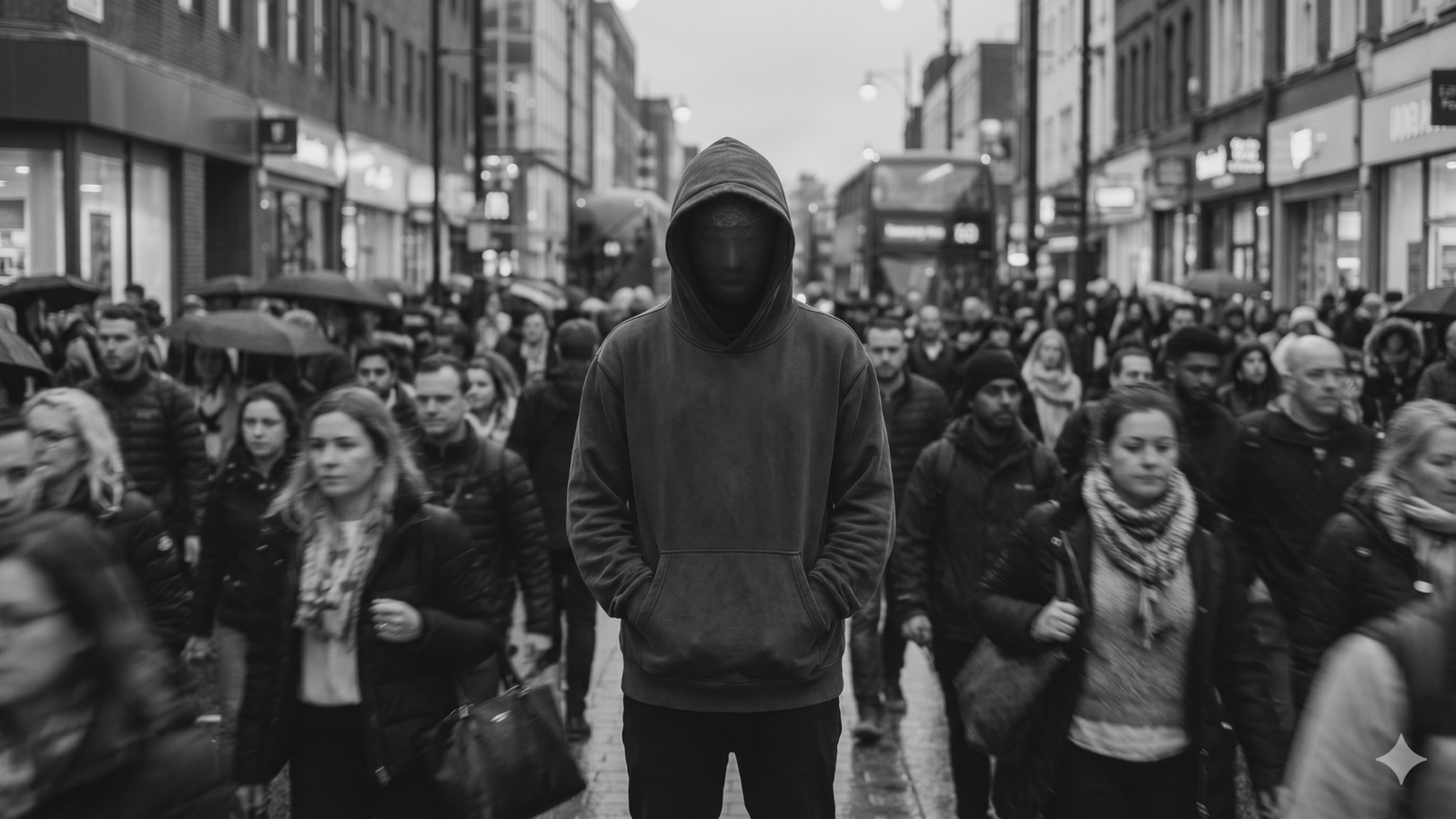
India faces a threat unlike any it has systematically prepared for during decades of counterterrorism operations. There was nothing spectacular about it: no explosives, no coordinated assault, just proximity, intent, and timing.
The Mira Road stabbing crystallises this shift in stark terms. A 31-year-old US returnee, armed with nothing more than a knife and ISIS ideological conviction, subjects two night-shift security guards to what investigators describe as a religious litmus test before attacking them. Maharashtra’s ATS swiftly takes over, uncovering ISIS references and lone-wolf terminology in his residence. Two men are hospitalised, and one suspect is in custody, but the incident exposes vulnerabilities that conventional security architectures struggle to address.
Tags
- #counter terrorism strategy India
- #counter-terrorism
- #educated radicalisation India terrorism
- #India internal security challenges
- #India internal security lone actor threat
- #isis
- #ISIS inspired attack India
- #ISIS radicalisation India
- #lone actor attacks analysis
- #lone wolf terrorism India
- #Mira Road stabbing attack
- #Mumbai Mira Road stabbing case
- #online radicalisation ISIS
- #soft targets security India
- #terrorism
- #urban security threats India
- #white collar radicalisation india
- #Zaib Zubair Ansari attack
Author