Department of Disruptive & Emerging Technologies · Articles · Defence Technology · Armed Conflicts ·
Fighting Above and Beyond the Battlefield: Air Superiority, Information Warfare, and Escalation Management from India–Pakistan to Israel
Dr. Lauren Dagan Amoss & Brigadier General (Res.) Ran “Ranko” Kochav
Introduction
The military confrontation between India and Pakistan in May 2025 represents far more than another round of violence in a chronically tense region. Instead, Operation Sindoor constitutes a critical inflexion point in the conduct of modern limited wars, illustrating how air superiority, long-range precision strike, information warfare, and escalation management have become deeply intertwined. The conflict highlights a shift away from direct, large-scale manoeuvre warfare toward technologically mediated confrontation, in which control of airspace, sensors, narratives, and escalation thresholds is as decisive as physical destruction on the battlefield.
This article examines Operation Sindoor as a case study in contemporary warfare, focusing on the integration of air power, unmanned systems, layered air defence, electronic warfare, and cognitive operations. It further situates the India–Pakistan confrontation within a broader comparative framework, demonstrating its relevance for Israel’s evolving security environment. The core argument advanced here is that future limited conflicts will be decided not solely by kinetic superiority, but by the ability to synchronise military capabilities with information dominance and carefully calibrated escalation control under conditions of constant global scrutiny.
Air Superiority and Stand-Off Warfare as the Primary Battlespace
From the outset, the May 2025 crisis elevated the air domain to the central arena of confrontation. Both India and Pakistan deliberately avoided large-scale ground operations and territorial incursions, instead relying on air power and long-range strike capabilities. This choice reflects a strategic preference for stand-off warfare, enabling both sides to signal resolve and impose costs while minimising the risk of uncontrolled escalation.
The initial phase of the confrontation featured one of the most extensive aerial engagements in South Asia’s history, involving dozens of combat aircraft supported by advanced intelligence, surveillance, and command-and-control systems. The scale and duration of the engagement underscored the growing role of airspace as a strategic rather than merely tactical domain. Air superiority was no longer defined solely by freedom of movement for manned aircraft, but by dominance over detection, missile envelopes, and electronic infrastructure.
In the subsequent phase, the conflict expanded into intensive use of unmanned aerial systems and long-range missiles. Both sides increasingly relied on beyond-visual-range engagements, reducing exposure to close-range dogfights and reinforcing dependence on sensors, data fusion, and precision-guided munitions. This evolution reflects a broader doctrinal shift in which air superiority is achieved through control of effects rather than control of airspace alone.
Layered Air Defence and Precision Strike
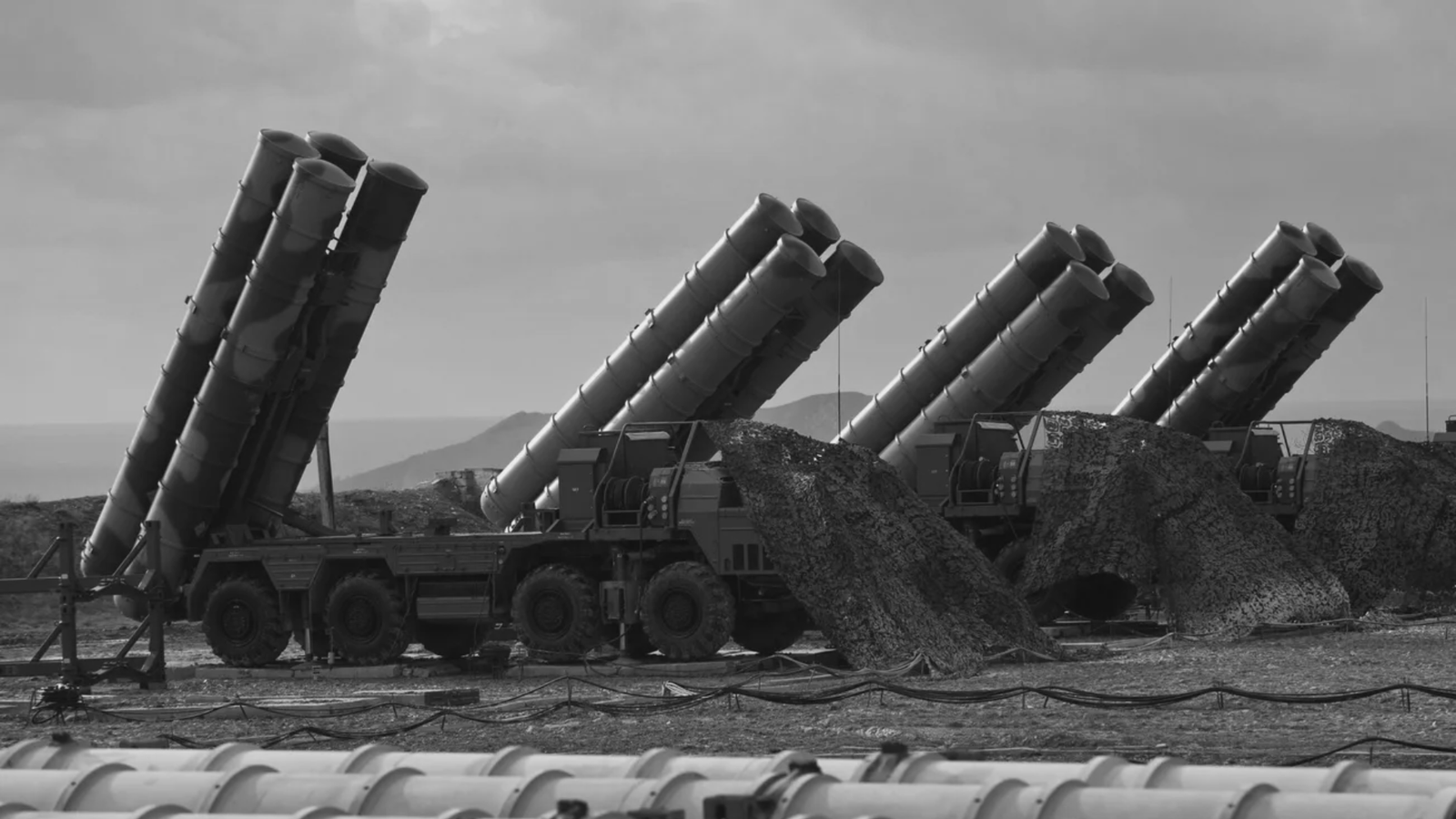
One of the most significant features of Operation Sindoor was the prominent role played by integrated, multi-layered air defence systems. India’s air defence architecture, combining indigenous systems such as Akash with advanced imported platforms including the Russian S-400 and the Israeli Barak demonstrated the growing importance of layered interception capabilities against diverse aerial threats. These included missiles, rockets, and numerous unmanned systems operating at varying altitudes and ranges.
The effectiveness of layered air defence was closely linked to advanced command-and-control infrastructure, which enabled real-time coordination among sensors, interceptors, and decision-makers. This integration allowed India to preserve freedom of action in the air domain while mitigating the impact of retaliatory strikes.
On the offensive side, India employed a combination of manned aircraft, precision-guided munitions, loitering munitions, and long-range missiles. The emphasis on precision stand-off strikes against clearly defined targets reflected a deliberate effort to impose military costs while maintaining escalation control. Commercial satellite imagery and open-source reporting supported assessments that these strikes were carefully calibrated, reinforcing a strategic narrative of restraint alongside capability. Taken together, these dynamics underscore a central principle of contemporary air warfare: superiority is no longer measured solely by penetration and destruction, but by the ability to synchronise defence, precision strike, and escalation management.
Chinese and Non-Western Systems as a Live Test Case
The conflict also attracted global attention due to its implications for assessing non-Western military technologies. Pakistan’s reliance on Chinese-manufactured aircraft, missiles, and air defence systems, most notably J-10C and JF-17 fighters armed with PL-15 air-to-air missiles, alongside HQ-9 and HQ-16 air defence systems, provided a rare opportunity to observe these platforms in a high-intensity operational environment.
Reports of engagements between Chinese-origin systems and advanced Western platforms fueled international debate regarding the narrowing technological gap in modern air combat. While specific claims such as the reported downing of a Rafale aircraft remain contested, the broader significance of the episode lies in its demonstration that advanced non-Western systems must be taken seriously in future threat assessments.
For Israel, which operates predominantly Western-origin platforms, this development underscores the need to continually assess the capabilities of advanced Chinese and Russian systems that may be acquired by regional adversaries. Such assessments are essential not only for air defence planning but also for shaping offensive doctrines and assumptions regarding technological advantage.
Information Warfare and the Cognitive Domain
Alongside kinetic operations, Operation Sindoor vividly illustrated the centrality of information warfare and the cognitive domain. From the earliest stages of the conflict, official statements, visual imagery, media reporting, and social media dissemination became integral components of the war effort. The struggle was not limited to battlefield outcomes but extended to shaping domestic and international perceptions of success, restraint, and legitimacy. In contemporary conflicts characterised by decentralised communication and rapid information diffusion, disinformation and competing narratives are not anomalies but structural features. Out-of-context imagery, false claims, recycled footage, and exaggerated achievements circulated widely during the crisis, complicating efforts to establish a clear and objective picture of events. These dynamics are not unique to any single actor, but reflect the broader challenges inherent in modern information environments.
Crucially, information warfare did not merely accompany military operations; it influenced escalation dynamics, strategic signalling, and international response. Control of the narrative emerged as a force multiplier, shaping how military actions were interpreted by domestic audiences, adversaries, and external stakeholders alike.
Escalation Management under the Nuclear Shadow
Despite the intensity of the fighting and the deployment of advanced military technologies, the confrontation remained limited in duration and scope. Hostilities lasted only a few days and concluded with a rapid ceasefire, reportedly facilitated in part by diplomatic mediation, particularly by the United States. This outcome underscores that escalation control was not incidental but the result of deliberate strategic choices.
Both sides largely confined operations to their respective airspaces, even during long-range missile exchanges, avoiding large-scale ground manoeuvres or territorial crossings. Given that India and Pakistan are declared nuclear powers, managing escalation thresholds has emerged as a central strategic objective. The crisis demonstrated that even under the nuclear shadow, states can employ significant military force while maintaining restraint through signalling, stand-off operations, and diplomatic engagement.
Escalation management thus emerges as a core component of modern warfare, requiring institutional preparedness, clear doctrines, and integration between military and diplomatic instruments.
From India–Pakistan to Israel: Strategic Insights
Although the conflict unfolded far from the Middle East, Operation Sindoor offers valuable insights for Israel as well. The integration of air superiority, layered air defense, electronic warfare, and cognitive operations closely parallels dynamics observed in Israel’s own recent military experience, including Operation Am Kalavi against Iranian infrastructure in June 2025.
Both cases illustrate how contemporary conflicts increasingly depend on precision stand-off strikes, robust air defence, and sophisticated information management when confronting well-equipped adversaries operating simultaneously in kinetic and informational arenas. For Israel, the lessons are particularly salient in three areas: preparedness against large-scale unmanned aerial threats, resilience in the cognitive domain, and adaptation to an environment in which every military action is scrutinised through cameras, algorithms, and competing narratives.In this context, operational success is no longer defined solely by battlefield outcomes but by the ability to integrate military effectiveness with information dominance, legitimacy, and escalation control.
Conclusion
Operation Sindoor demonstrates that modern limited wars are fought both above and beyond the battlefield. Air superiority, missile warfare, unmanned systems, layered defence, information operations, and escalation management now form an integrated strategic ecosystem. The India–Pakistan confrontation of May 2025 highlights how technological integration and cognitive dominance have become as decisive as kinetic power.
The broader implication is clear: future conflicts will not be won solely through superior firepower, but through the ability to synchronise military capabilities with narrative control and calibrated restraint under conditions of constant global visibility. For Israel and other states facing complex, high-intensity security challenges, the lessons of Operation Sindoor underscore the need to think holistically about air power, information warfare, and escalation management as inseparable components of contemporary strategy.
End Notes:
- Chopra, A. (2025, May 26). Operation Sindoor: Indigenous systems gave India the edge, more needs to be done. Firstpost.
- Clary, C. (2025, May 28). Four days in May: The India-Pakistan crisis of 2025. Stimson Centre.
- Clark, C. (2025, May 21). What air defence lessons can be learned from the India-Pakistan conflict? Breaking Defence.
- Dogar, B., Ahmed, M., Saaliq, S., & Hussain, A. (2025, May 9). India and Pakistan trade fire and accusations as fears of a wider military confrontation rise. The Washington Post.
- FP Explainers. (2025, May 7). Why PM Modi named India’s military strikes in Pakistan, PoK as Operation Sindoor. Firstpost.
- FP Explainers. (2025, May 12). DGMO confirms Indian air defences shot down Pakistan's China-supplied PL-15 missiles, Turkish Byker YIHA III drones. Firstpost.
- FP News Desk. (2025, May 12). 'We have not hit Kirana Hills, whatever is there': IAF on whether India targeted Pak nuclear sites. Firstpost.
- FP News Desk. (2025, May 12). After success of 'Operation Sindoor', PM Modi to address the nation at 8 pm today. Firstpost.
- Gupta, P. (2025, May 28). India’s Geo-economic Warfare Post-Pahalgam. Observer Research Foundation.
- Häsler, G., & Jochem, C. (2025, May 16). Downing of French Rafale during Indian attack on Pakistan offers lessons for West. NZZ.
- Joshi, M. (2025, May 30). Pakistan's chimerical quest for parity with India has hit a dead end. The Wire.
- Kasnett, I. (2025, May 18). India adopts Israeli model in fight against cross-border terror. JNS.org.
- Kashyap, S. (2025, June 2). Operation Sindoor and the evolution of India’s counter-terrorism strategy. Observer Research Foundation.
- Lauren Dagan Amoss. (2025, May 27). India’s response to the 2025 Kashmir crisis: Strategic escalation and doctrinal innovation. Usanas Foundation.
- Ministry of External Affairs, Government of India. (2025, May 10). Transcript of special briefing on OPERATION SINDOOR (May 10, 2025).
- Panda, J. (2025, May 21). The shadow war: How the Pahalgam terror attack redefined India-China-Pakistan equation. Prospects & Perspectives, The Prospect Foundation.
- Pant, H. V., & Joshi, Y. (2025, May 8). Operation Sindoor and beyond: India’s response and Pakistani calculus. Observer Research Foundation.
- Rawat, R. (2025, May 22). Testing doctrine in action: Operation Sindoor and India’s military calculus – Analysis. Eurasia Review.
- Ray, K., & Majid, Z. (2025, May 9). Pakistan sent 300–400 drones in 36 locations, Indian forces shot them down: MEA. Deccan Herald.
- Sabharwal, S. (2025, May 4). Pahalgam crisis: India’s policy should be clearheaded with realistic goals. India’s World.
- Shah, S. M., & Ellis-Petersen, H. (2025, May 12). From missiles to ceasefire: How India and Pakistan pulled back from the brink. The Guardian.
- Singla, A. (2025, May 9). India-Pakistan tensions: Why the Indian Navy is a force to reckon with. Firstpost.
- Spencer, J. (2025, May 11). Air defense in the modern era: No silver bullets, only layers. John Spencer – Urban Warfare.
- Spencer, J. (2025, May 12). War is the real test: What Operation Sindoor revealed about Indian and Pakistani military capabilities. John Spencer – Urban Warfare.
- Tarapore, A. (2025, May 19). Operation Sindoor and the evolution of India’s military strategy against Pakistan. War on the Rocks.
- Tripathi, P., & Bommakanti, K. (2025). Air defence mechanisms: A primer on India and Pakistan (ORF Issue Brief No. 809). Observer Research Foundation.
The views expressed are those of the authors and do not represent the views of CNAWS.
Tags
- #air power and escalation control under nuclear shadow
- #drone threats to india
- #drone warfare economics
- #drone warfare in south asia
- #india pakistan air warfare escalation management
- #indian drone defence systems
- #information warfare and cognitive domain modern conflicts
- #layered air defence systems india pakistan conflict
- #operation sindoor
- #operation sindoor air superiority analysis
- #stand-off precision warfare limited wars
Author
Dr. Lauren Dagan Amoss & Brigadier General (Res.) Ran “Ranko” Kochav
Dr. Lauren Dagan Amoss is a researcher specializing in India's foreign and security policy, with a regional focus on the Indo-Pacific. She is a Senior Research Fellow at CNAWS. She is also a fellow at the Begin-Sadat Center for Strategic Studies (BESA) and a lecturer at Bar-Ilan University. Dr. Dagan Amos is a member of the Deborah Forum, which promotes women in Israel's foreign and defense policy community. Brigadier General (Res.) Ran Kochav (RanKo) served as the Commander of Israel's Air and Missiles Defense forces until 2022. Throughout his distinguished military career, General Kochav progressed through various leadership positions including Battery Commander, Unit Commander, Battalion Commander, and Air Defense Wing Commander. He also served as Head of the Doctrine and Training Department and Commander of the Israeli Air Defense's Advanced Academy. As a professional Air Defense warrior, General Kochav has been at the forefront of developing multi-layered air and missiles defense concepts and is recognized as an international expert in advanced air defense against various aerial threats, including ballistic missiles, cruise missiles, drones, and UAVs. During his tenure as Commander of Air Defense, General Kochav was responsible for combat doctrine and command of the entire national defense array. He built regional defense capabilities in partnership with the United States through CENTCOM and EUCOM, commanding joint operations for regional defense in the Middle East. His operational experience includes defending against ballistic missiles from Iran, Gaza Strip, Syria, and Lebanon, with thousands of successful interceptions during military operations and wars. His leadership was instrumental in establishing and implementing Israel's sophisticated multi-tier air and missiles defense systems. Currently, General Kochav is engaged in investigating and debriefing the "Iron Swords War" (October 2023) and analyzing lessons learned from this regional conflict. His extensive military background also includes service in the General Staff of the Israel Defense Forces (IDF), where his strategic insights contributed to national defense planning. His expertise in developing integrated air defense systems and commanding complex operations has established him as a leading authority in modern warfare against aerial threats, making him an asset in both military and defense consultation capacities. General Kochav served briefly as a research fellow at RUSI (Royal Unites Institute Research) co-authored several professional papers with Dr. Siddharth Kaushal on the missile warfare between Russia and Ukraine and Israeli lessons that could be used to establish a multi-layered air and missiles defense system in Europe